Medicinalmeadows

THE PLACE WITHIN


Leave a comment

The Quest – St Mary’s and Michael’s Church Urswick

Part 3 The mythical storytelling of the Knights in Cumbria

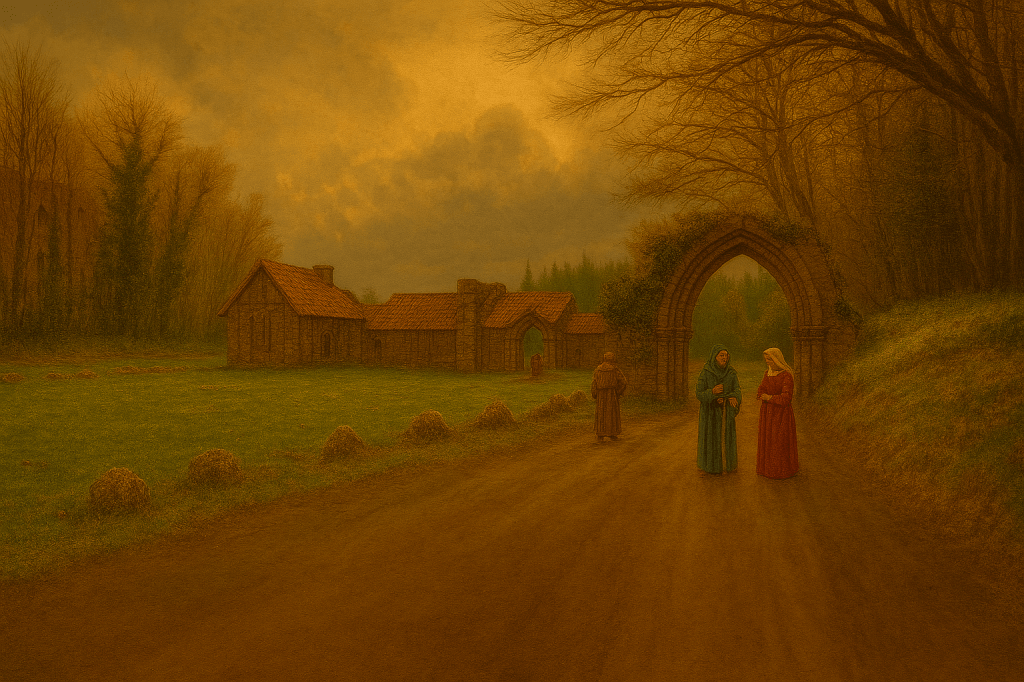
They arrived at the northern coastline after nightfall. Immediately beyond the shoreline, the sounds of the woodland became apparent. The forest transitioned seamlessly from sandy terrain to the firm, crisp substrate beneath the canopy of leaves.
Their walk took them towards the starlight sky. At its summit, they felt the breath of the planet, the wind caressing their path, that now coiled down the earthly side of their mission to the Pele tower of the church. As they continued to walk the winding path the stories of those who arrived at this location over the centuries moved them within their hearts. The pilgrims, and the mystics appeared to be walking with them like their times on the labyrinth. Inside the thick stone walls, there was a distinct atmosphere; the stones seemed to hold a notable presence. Accounts from elders had long referenced this location as one established by the first Christians. It has been maintained by local villagers that continue some of the oldest traditions, their traditions from New Jerusalem and before.

The moon slanted through high windows onto the ancient stone floors worn smooth by generations of footsteps. Outside, the breeze sang through the yew trees in the graveyard. The night seemed to hold its own benediction. Wrapped in their cloaks, their faces softened, free from the strain of flight and fear. Here, within walls blessed by both time and faith, they trusted the silent guardianship of the stones.

Upon awakening, Godfrei felt well-rested and appreciative of the restorative sleep and profound dream state he had experienced. The sense of guidance provided by the “Her” remained with him. He recalled a similar depth of reflection during his travels as a young man in desert caves, where his early initiations with the elders took place. The resonance of the church evoked memories of those subterranean environments, akin to the nurturing spaces revered by the keepers of the Way. The church appeared intentionally designed to mirror the qualities of those ancient, earthbound sanctuaries.

When he stepped outside, instead of encountering the glaring sunlight he remembered from the rocky enclosures of his past, he was met with a gentle morning mist and diffused light. This was “Her” language —an environment characterized by vitality, abundance, and growth. The language of Her presence, Mary of the Fields. As he gazed across the landscape, he noticed a statue, he must have brushed passed Her in the night, unaware of Her standing before him, arm sweeping over her feet. And just behind Her in the field beyond, the standing stone.

Godfrei surveyed this landscape, absorbing the freshness of the morning dew, and his reassured vision of the path ahead. He recognized a growing awareness, welcoming him as he approached the final stage of his journey. His calling to reach the Monastery was strong, his bones ached for the restorative enclosure of the Abbey, but his spirit was already there. It felt like his heart was flowing psalms into his veins, chanting rhythmically with every breath.

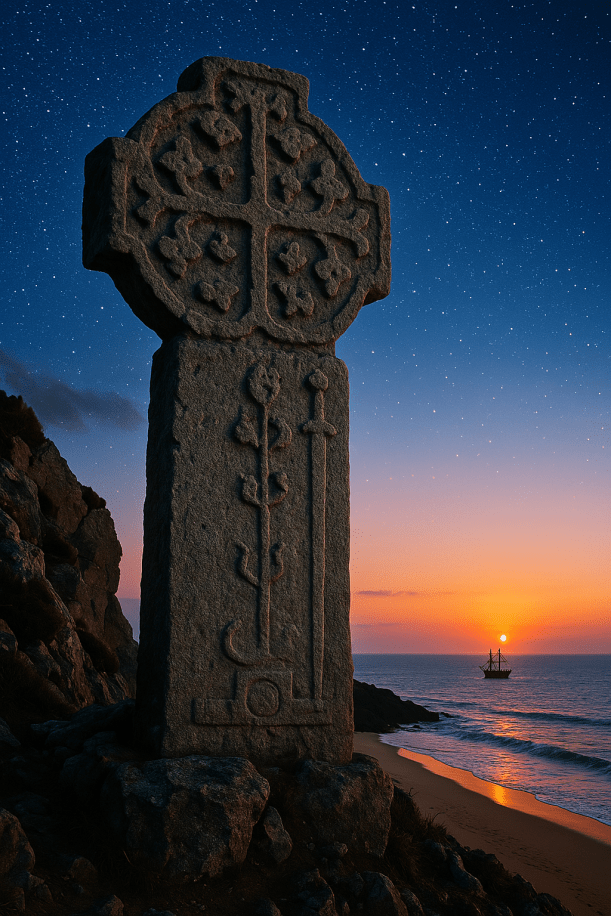
AI image

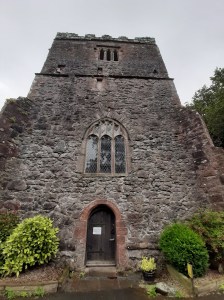
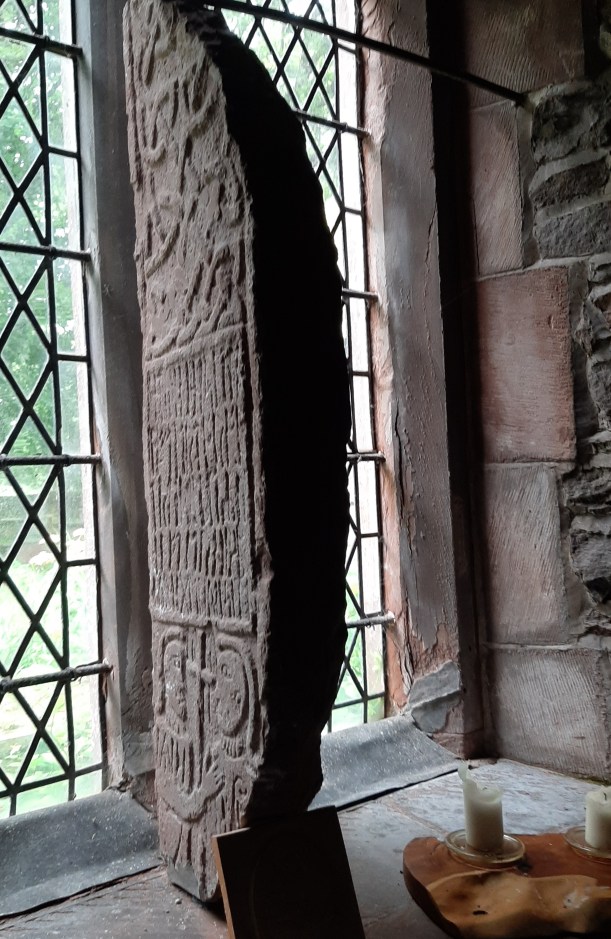
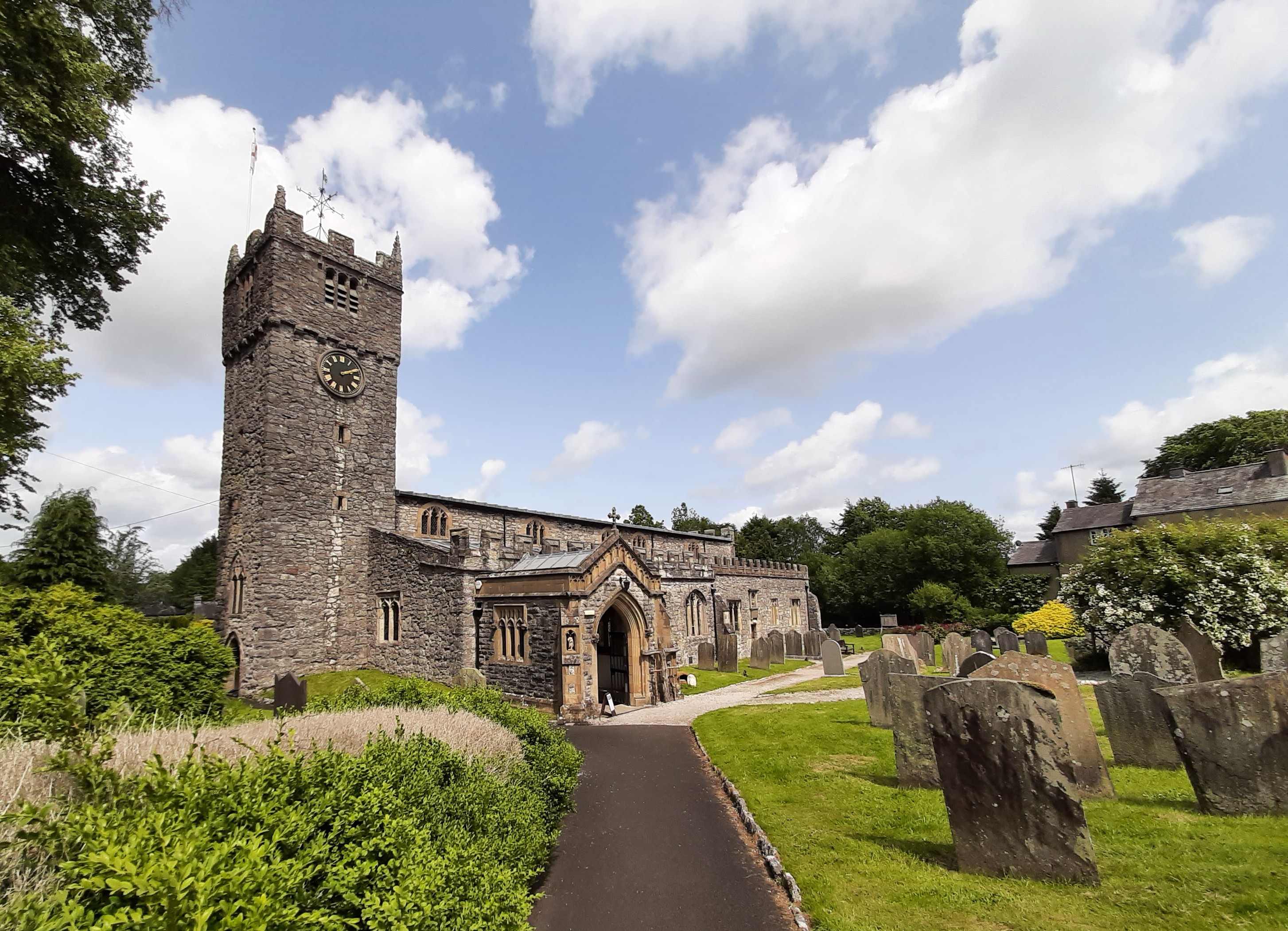
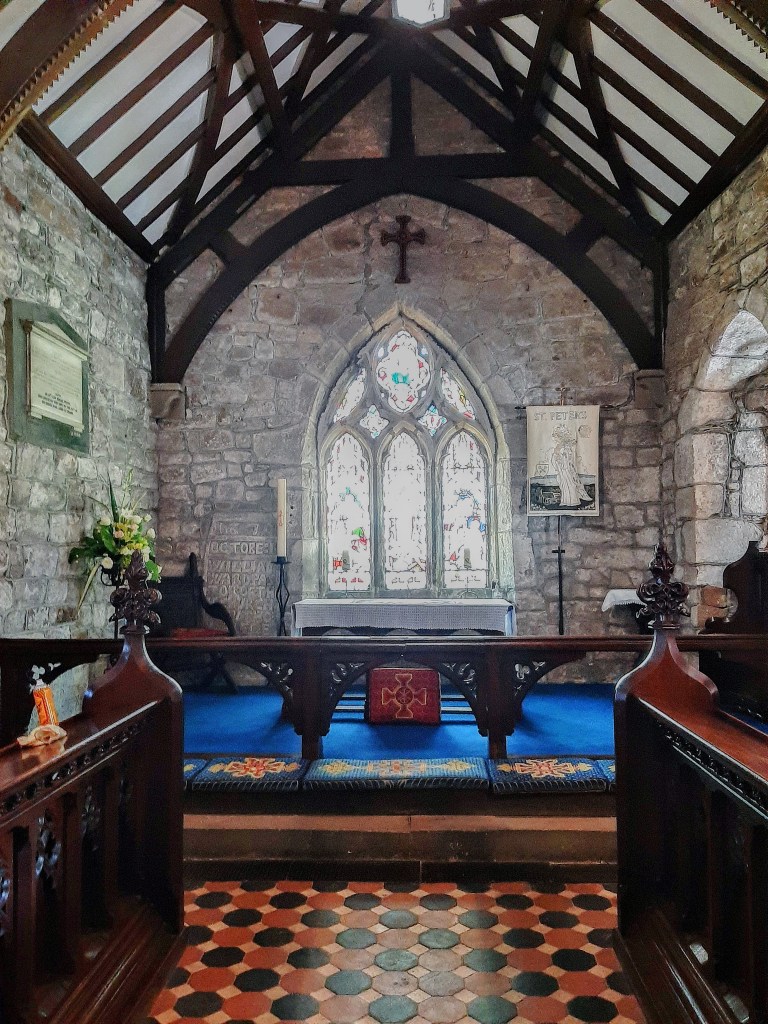
This is the St.Mary and Michael church at Little Urswick UK, her previous name was St. Mary in the Fields. This church has history dating to the 10th century. A patronage of the Savigny and Cistercian orders, with a Stone Cross with Viking runic markings, the Tunwini cross. The tower has a sandstone Mater Dolorosa carving from Furness Abbey after the dissolution. And yew trees at the gates. The history emanates the rich spirit of land, place and space. For more information look at the Historical fragments at the Church.

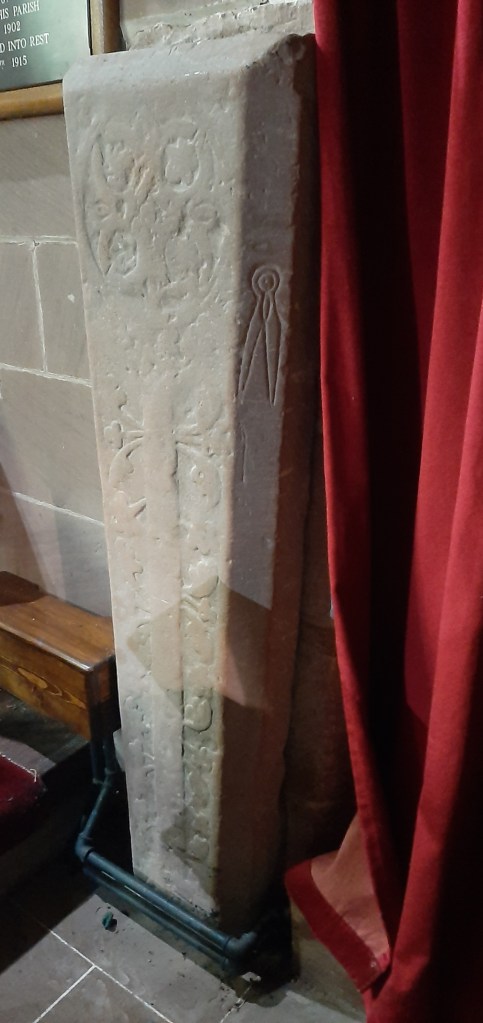
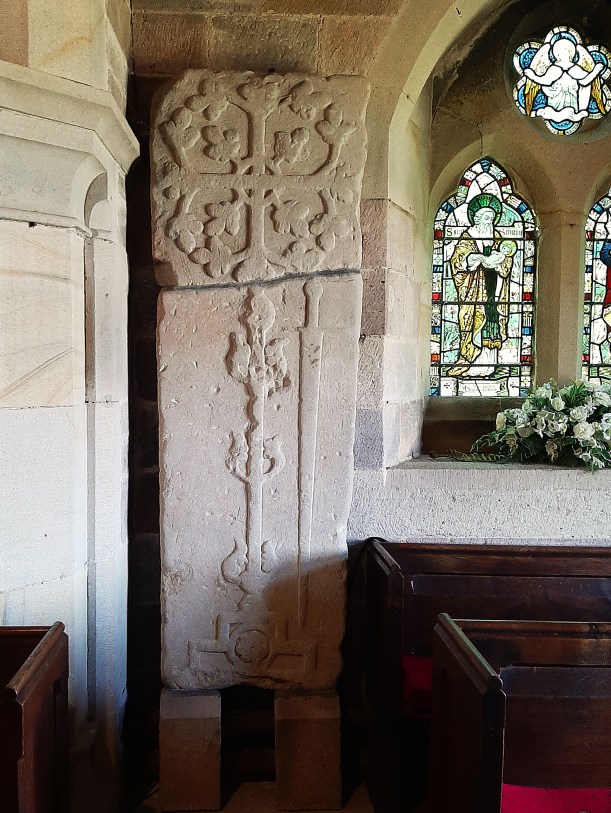
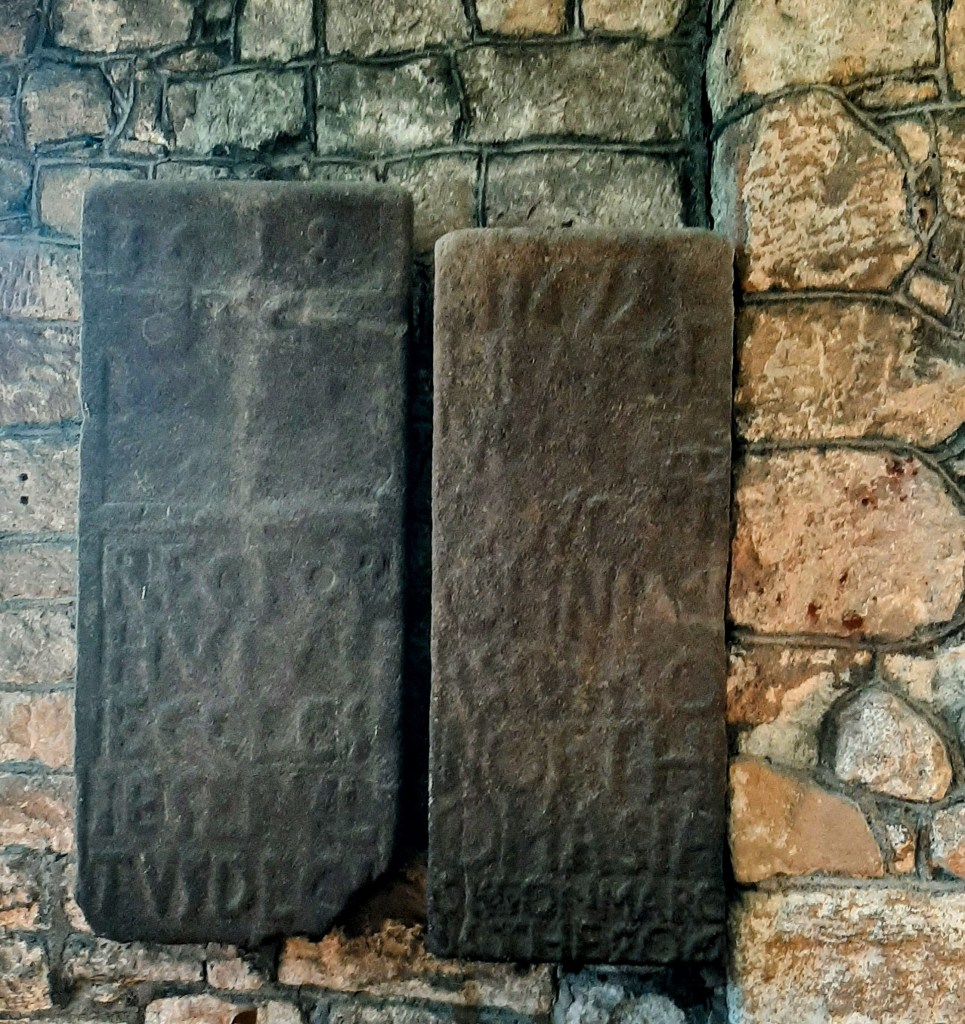
Here, in the Church we find another Graveslab, a thirteenth century ‘Le Franceys’ grave slab which currently stands next to the ‘priest’s door’ in the chancel of Urswick
church. The slab is flat and tapered from head to foot with ‘floriated cross elaborately
carved in relief, and inscribed along the chamfered edge, in Longobardic characters + HIC :
JACET : AMICIA : FILIA : JOHANNIS : FRANCESSI, John Le Frances, named as witness to Roger de Lancaster in Ulverston in 1284 . HIC AMICIA engraved into the slab indicated a statement like Here lies a dear friend.

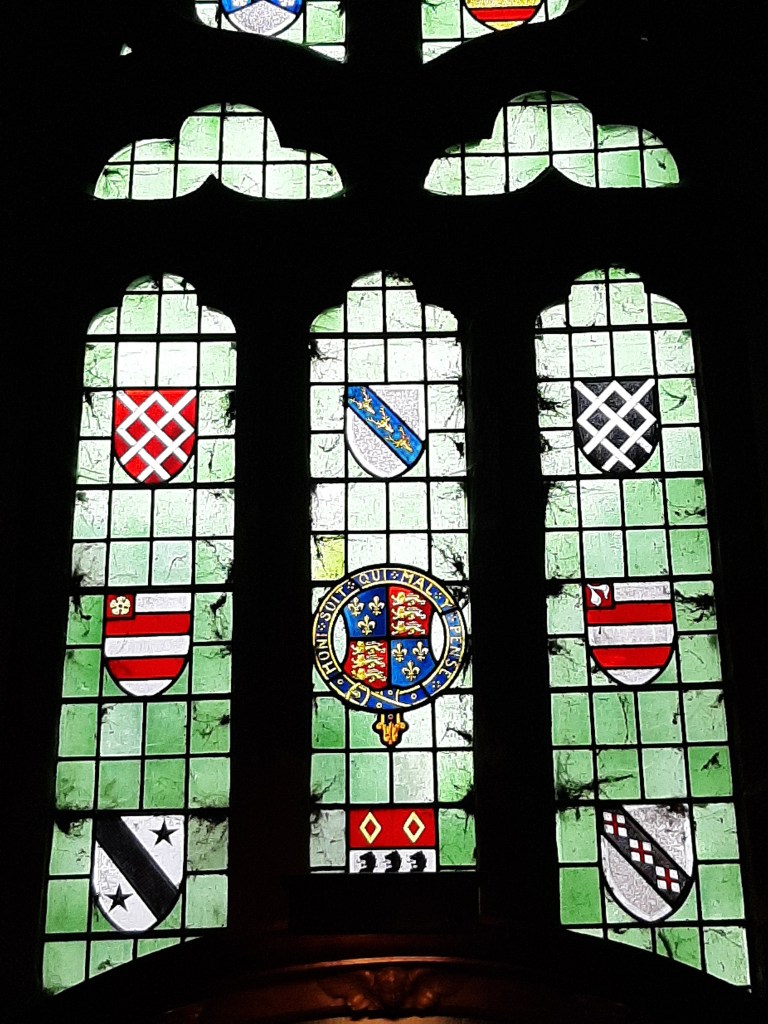
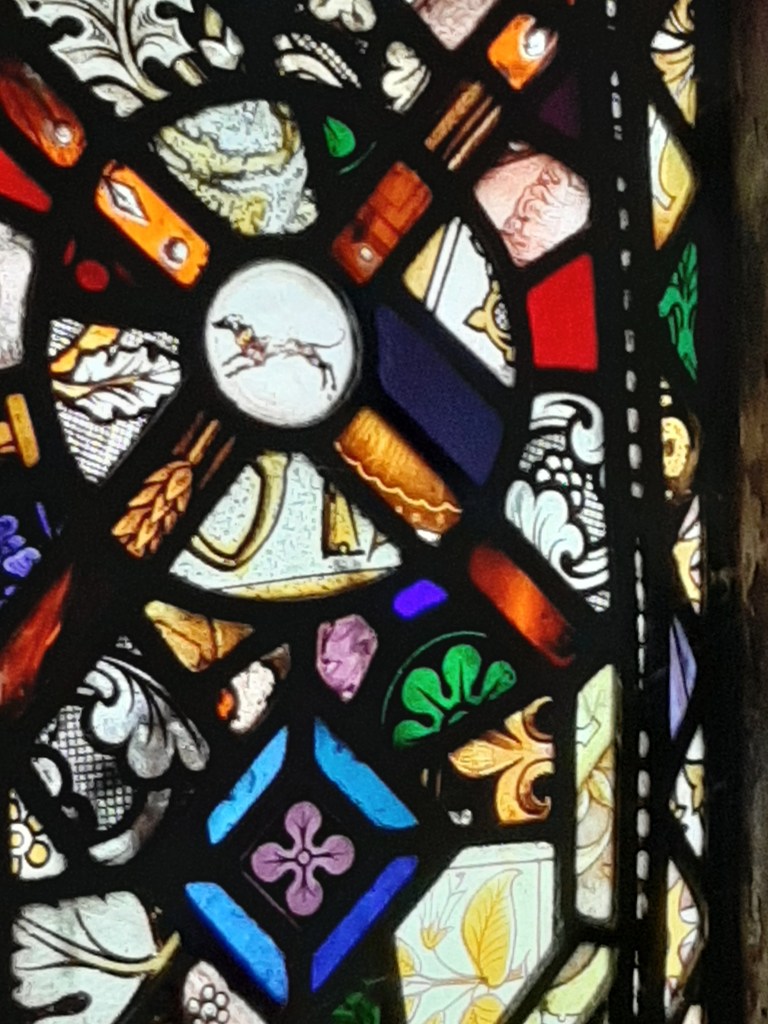
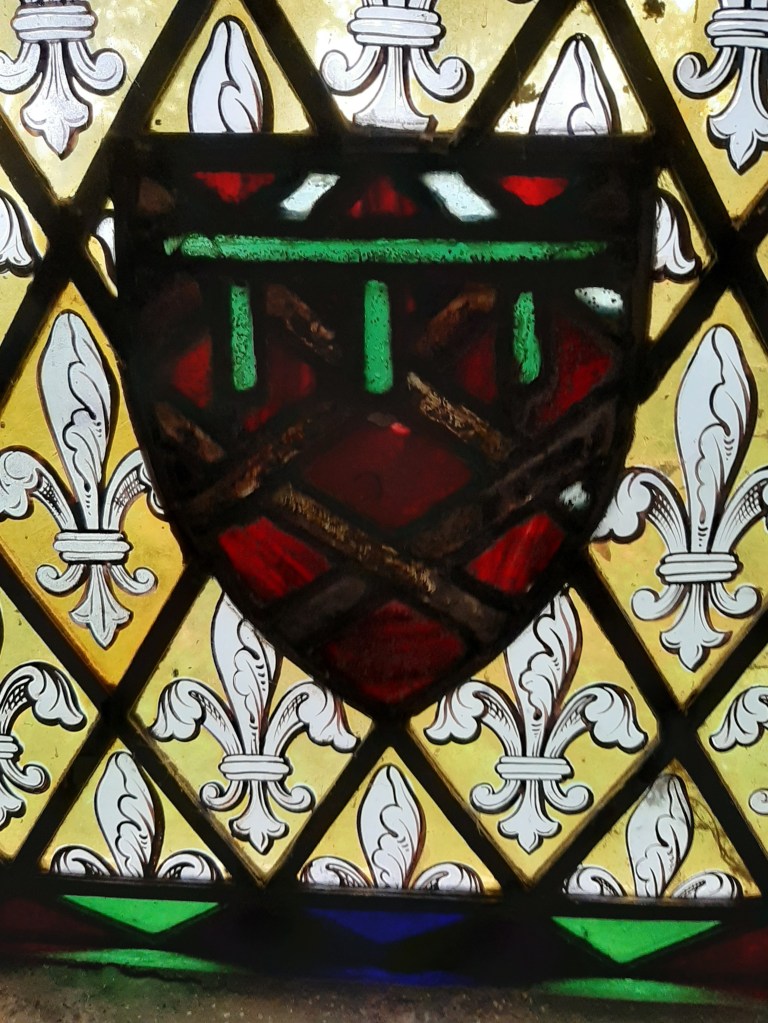
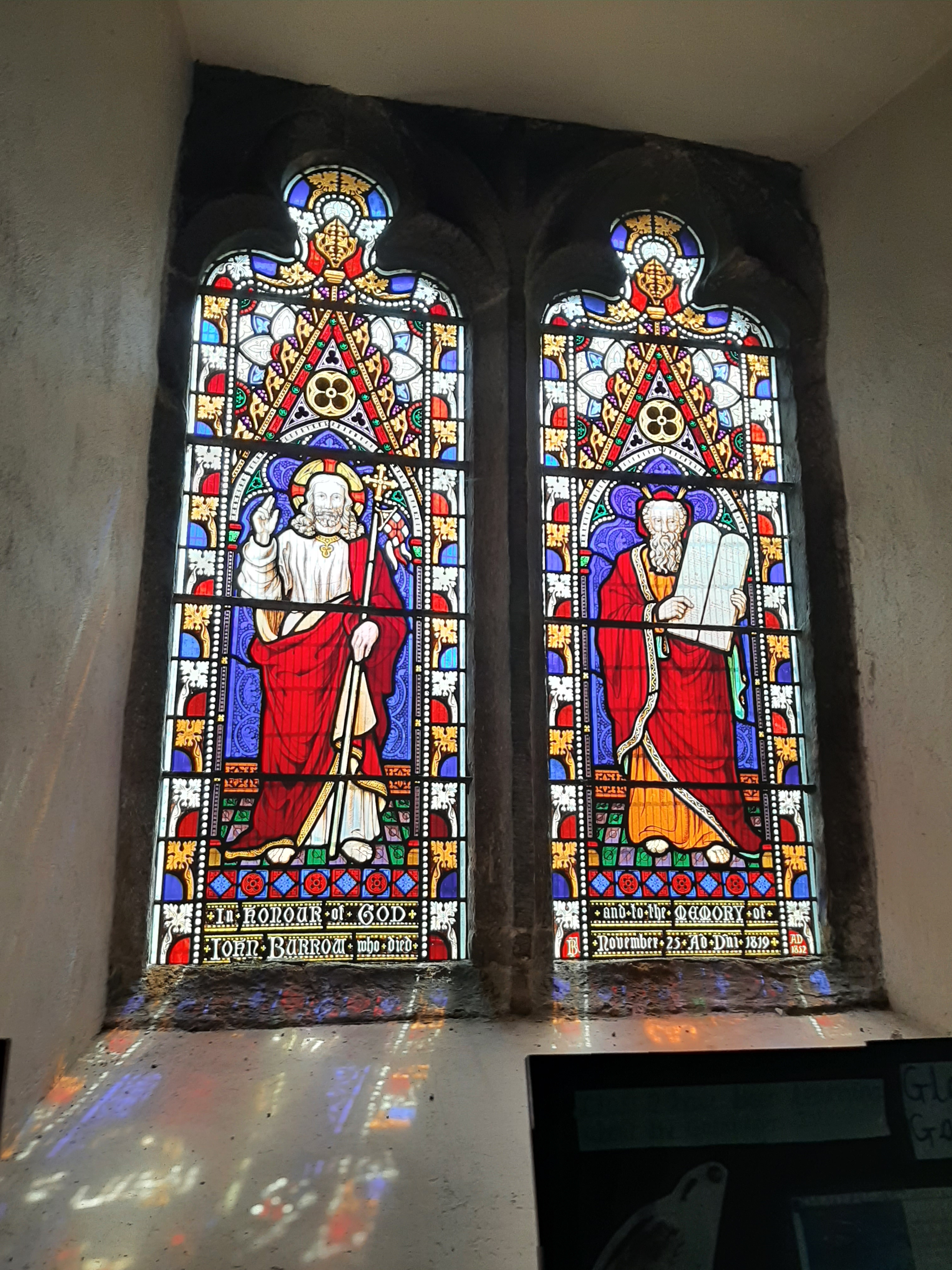
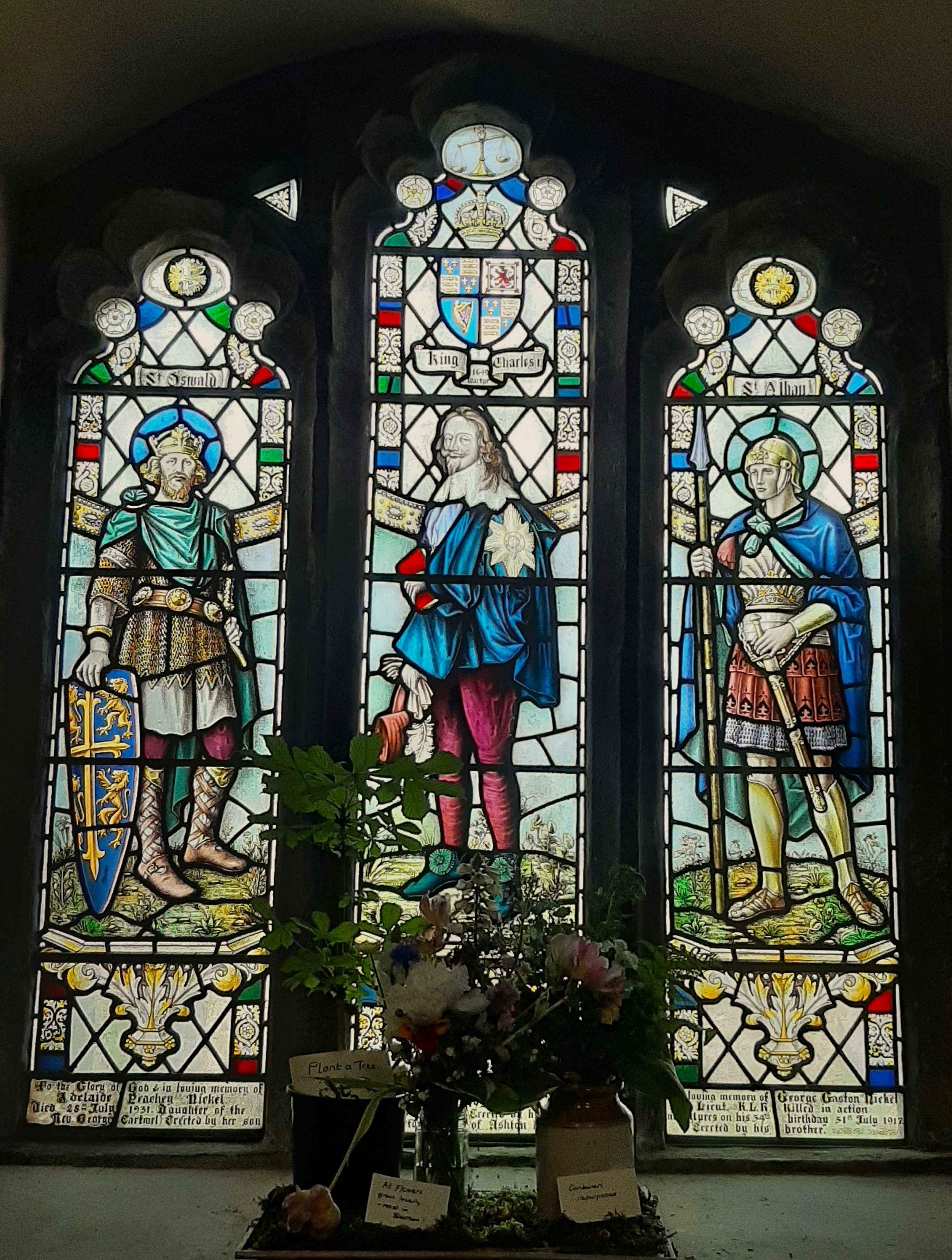
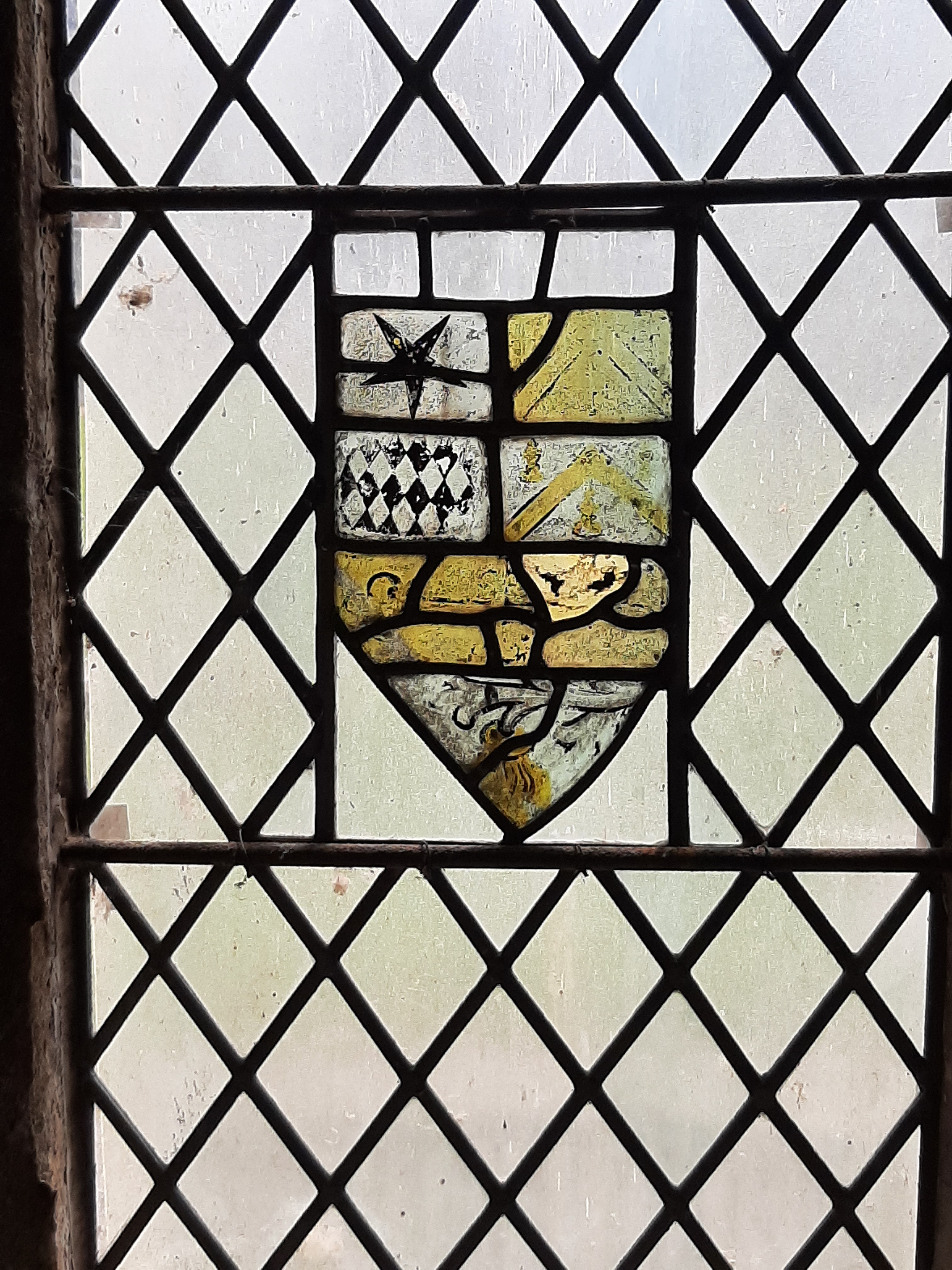
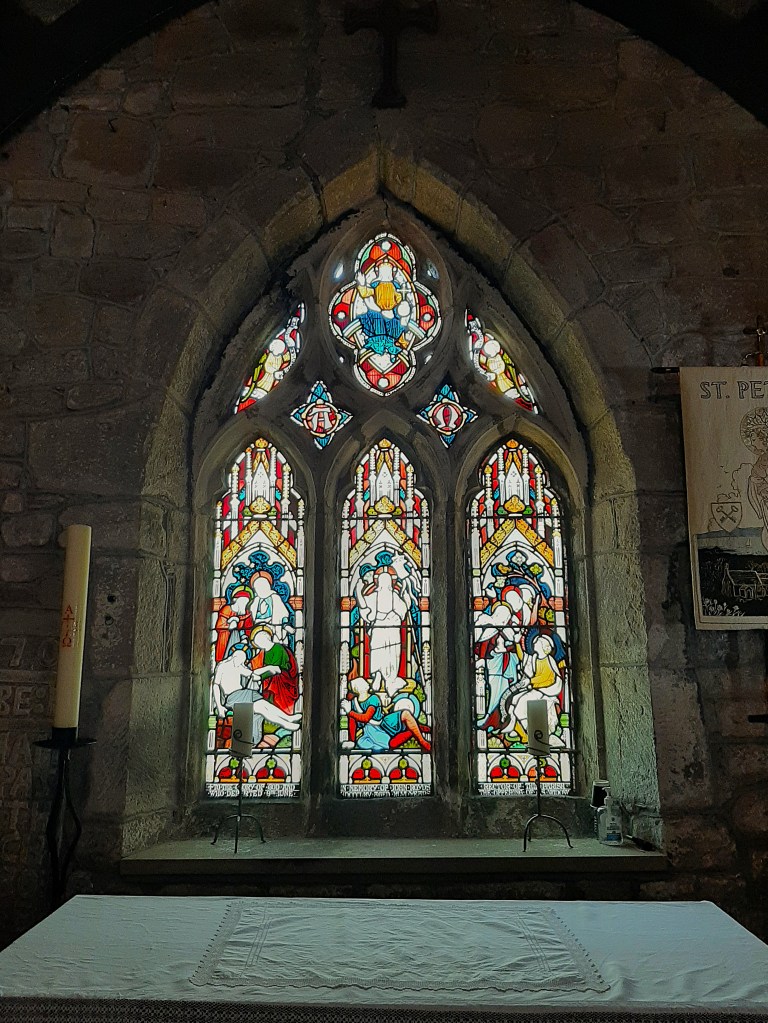
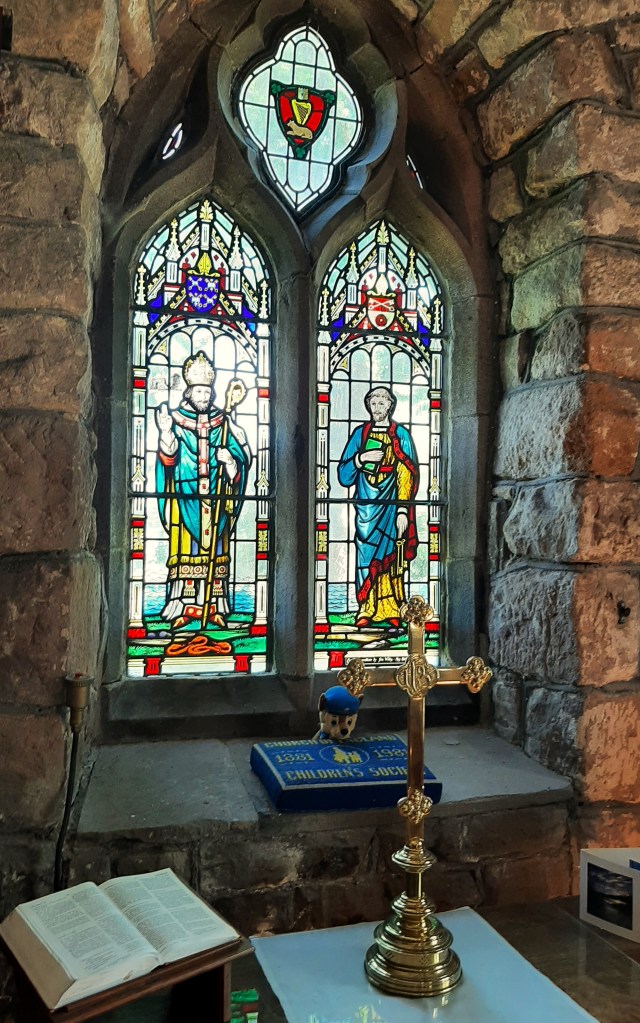
The stained glass windows above the altar had the most wonderful display of heraldic shields. The surroundings windows throughout the church had fabulous symbology to go and decipher for your pleasure.

This little Church is full of history and legends of Celtic Cumbria in Furness and the Tunwini Cross.

There are many delightful stories and history named in Ossik Coots and Collared Doves. Check by Reverend Colin R Honour. M.Ed.


Leave a comment

The Quest Beetham Church of St. Michael and All Angels

Part 2- Story of the Knight’s journey up the coastline of Cumbria

The ceremony lacked the expected level of union for his liking. Godfrei felt depleted in the effort to give their companion and teacher due solemnity and observed rites of parity. He could sense the weight of disappointment.

The Chapel now felt empty. It might have been fatigue, or the grief that hit them so unexpectedly. They wouldn’t have been surprised if their elder had passed away in his sleep in Spain, but he had regained his strength and resolve before their last voyage, determined to lead them to deliver their charge.

The brother of this chapel stepped forward, they could not linger here. The all-night rituals had been conducted at the expense of rest and nourishment. It was now time to depart. The brethren spent the entire night coordinating their plans with the changing tides. The brothers, overwhelmed and jaded, agreed to trust their long-held friendship with the villagers. Other boats awaited to take them a short journey up the coast then inland, so they pressed on to Beetham.

The Lord of the Mosses received notification yesterday and subsequently prepared the new resting place under his protection. Although the Church was cold and damp, the setting sun streamed through the high windows. Provisions, including food, wine, and bedding, were offered and a safe place to pray before they rested.

The lay sisters convened to perform the Liturgy of the Hours, as they prayed and rested. They remained cognizant of the villagers’ efforts of heightened security surrounded by daily activities. The reasons for these measures begged further inquiry, but the hymns soothed their tiredness to sleep.

When Godfrei awoke from his bedding mat on the ground he felt inspired by his brothers’ actions. He saw two of them praying in the Lady chapel and decided to join them. He seemed to drift easily into the liminal space of Sanctuary. The singing of the sisters, the soft light of the candles, the sweet smell of the cooked loaf and the warmth of his new clothes lulled him inwards.

Word finally came in the evening light. A soft rap on the wooden door, then voices, stirred him from the cushion on the chapel floor. Had he drifted back into sleep? No, he had gained his direction from his curled position, but it was not sleep. He had finally been able to rest, eat, and gain enough strength to enter the realm of guidance.

He got up and approached the doorway, dubiously not from fear but the strangeness of the light. He knew before he entered in the conversation, passage north was possible. But the conversation brought more difficulties to the journey ahead. Dacre’s man had brought word.  Safety for their vessels was always paramount and raiders where in the waters around the coastline. The route was now over land.  They were so close to the Abbey, but this meant the Abbey was also at risk.

The delay now appeared intentional.  The death of their Elder, the overnight Rituals, the stay at the church were all keeping them hidden from the coastal route. All these delays were divinely guided.

This was the very quest undertaken by their predecessors, and now it was their turn.

St. Michael and All Angels Beetham Church

The church is on the south border of Cumbria into Lancashire just off the A6 at Milnthorpe. The tower is an old Anglo-Saxon structure, with extended church aisles dating from the 12th century and full restorations in the 18oos. There are many interesting features to the exterior including a sundial to the right of the priest’s doorway.

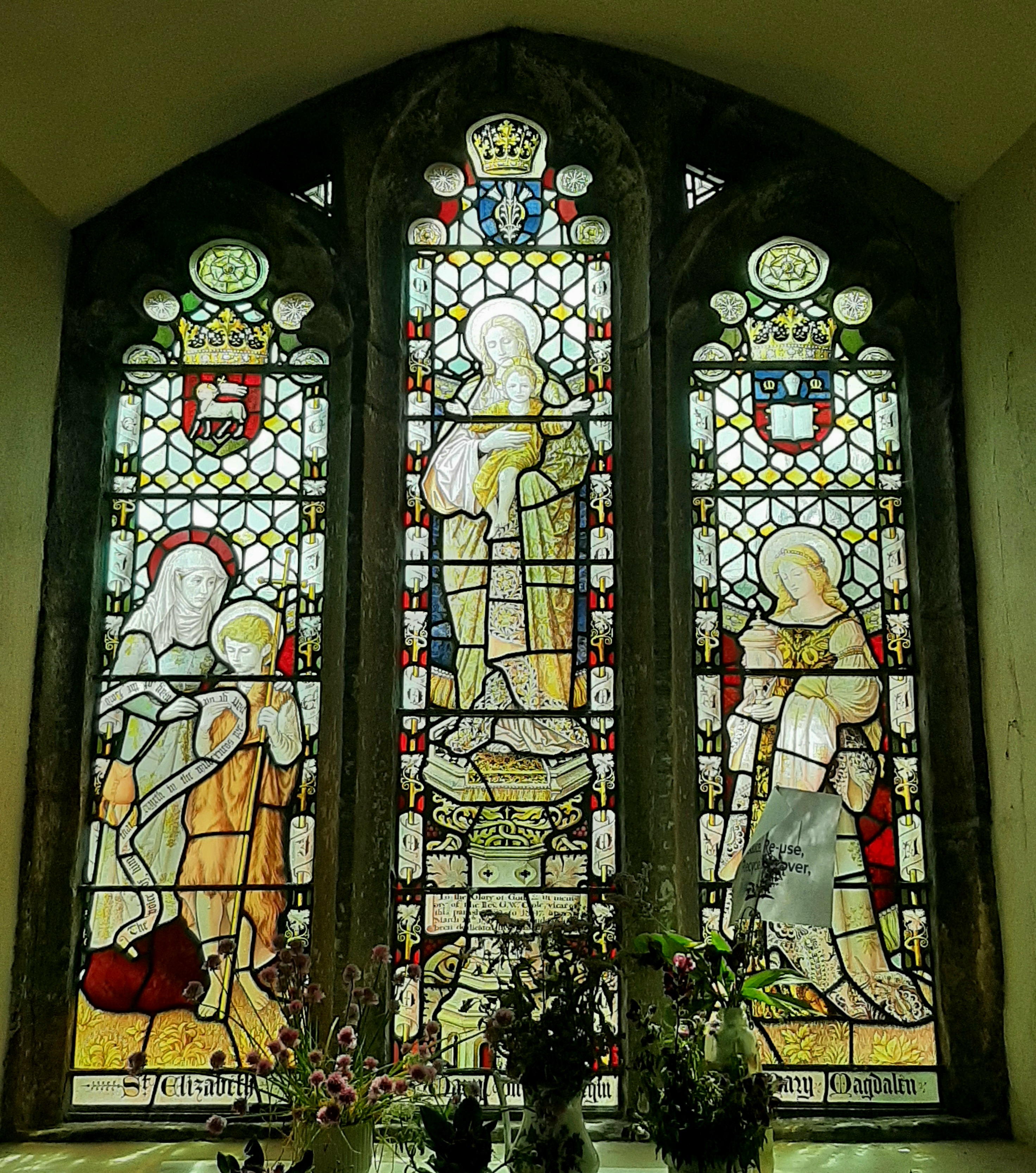
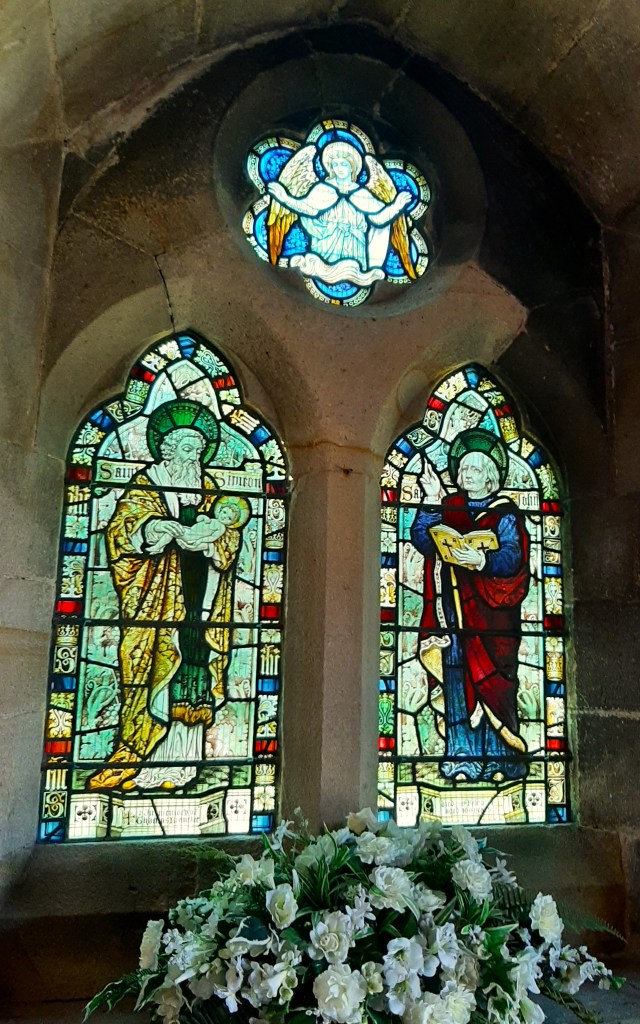
The church was first dedicated to Saint Lioba, the 7th century Benedictine nun from Wessex. The daughter of a noble family and related to St. Boniface. She was educated at Wimborne Minster, probably skilled in the fine ornamenting of scriptures and needlework that created the embroidery of wall hangings of Europe’s great houses. She is well known in Germany as an Abbess in the convents of St. Boniface. She was known to frequent the royal courts of Charlemagne and to have performed miracles. Miracles that the Monk Rudolf of Fulda claimed continued to work from her grave tomb.(Wikipedia). I found the anchoress’s cell up the road from the church the most honourable dedication to one of England’s saints the most precious sight in our times. The stain glass windows within the church depict Lioba with Wessex royal Saints Ethelburga. She was the 7th century daughter of King Æthelberht of Kent and Queen Bertha. In 625, she married Edwin of Northumbria as his second wife. A condition of their marriage was Edwin’s conversion to Christianity. Here she is pictured also with Saint Osyth. She was born in Quarrendon in Buckinghamshire. Her father was Frithwald a Mercian sub-king of Surrey and her mother was Wilburga, daughter of King Penda of Mercia.

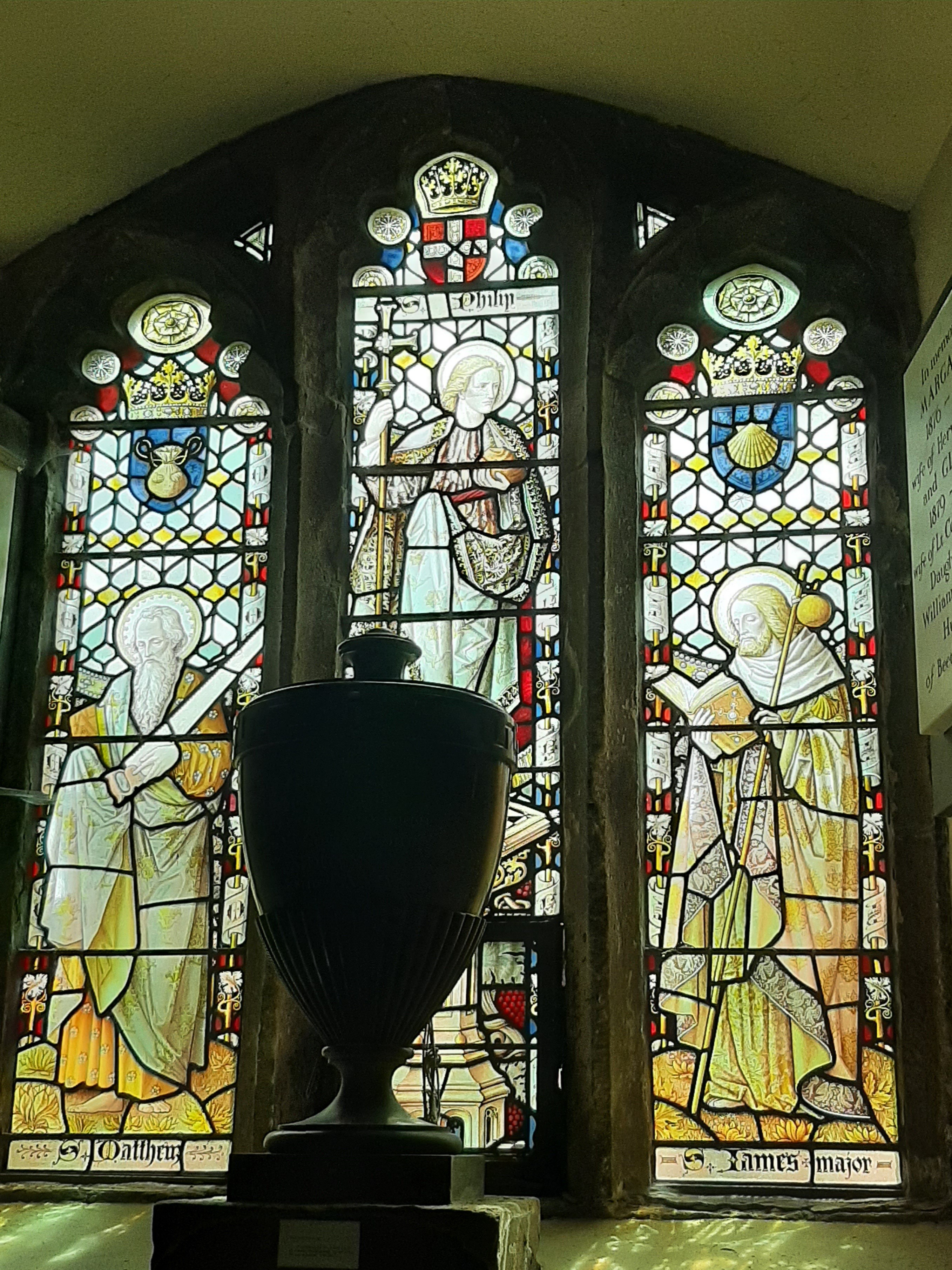
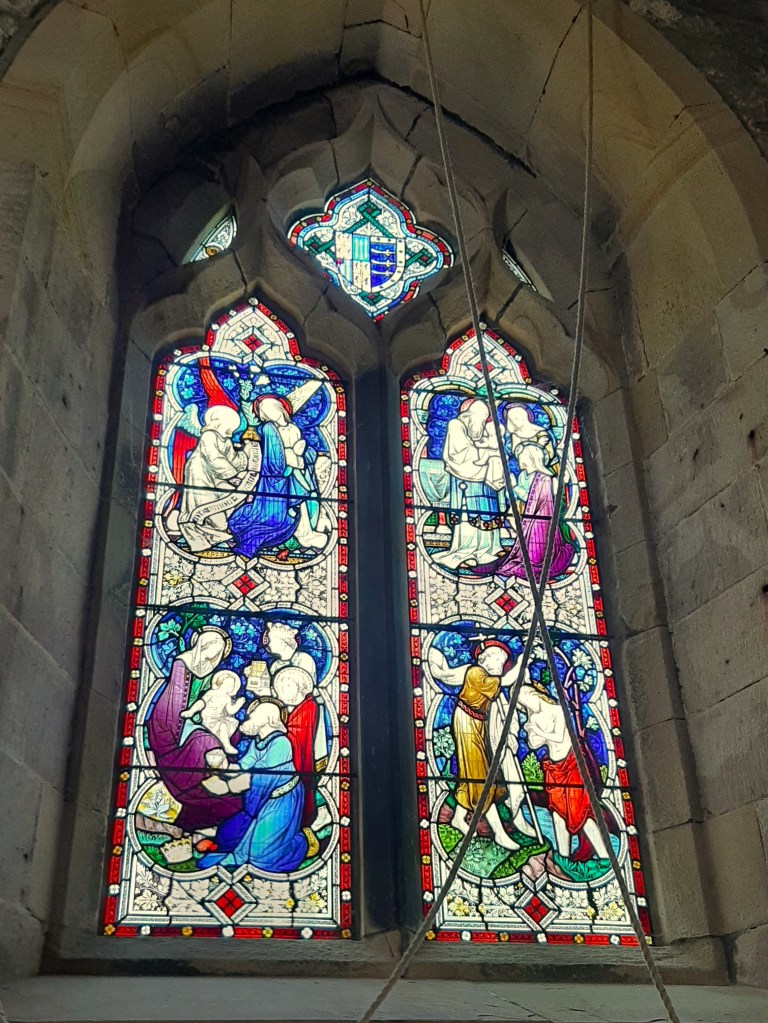
The stain glass windows to early Christian saints are delightful in the church. They are full of vibrant colour and contain the apostles including Mary Magdalene.

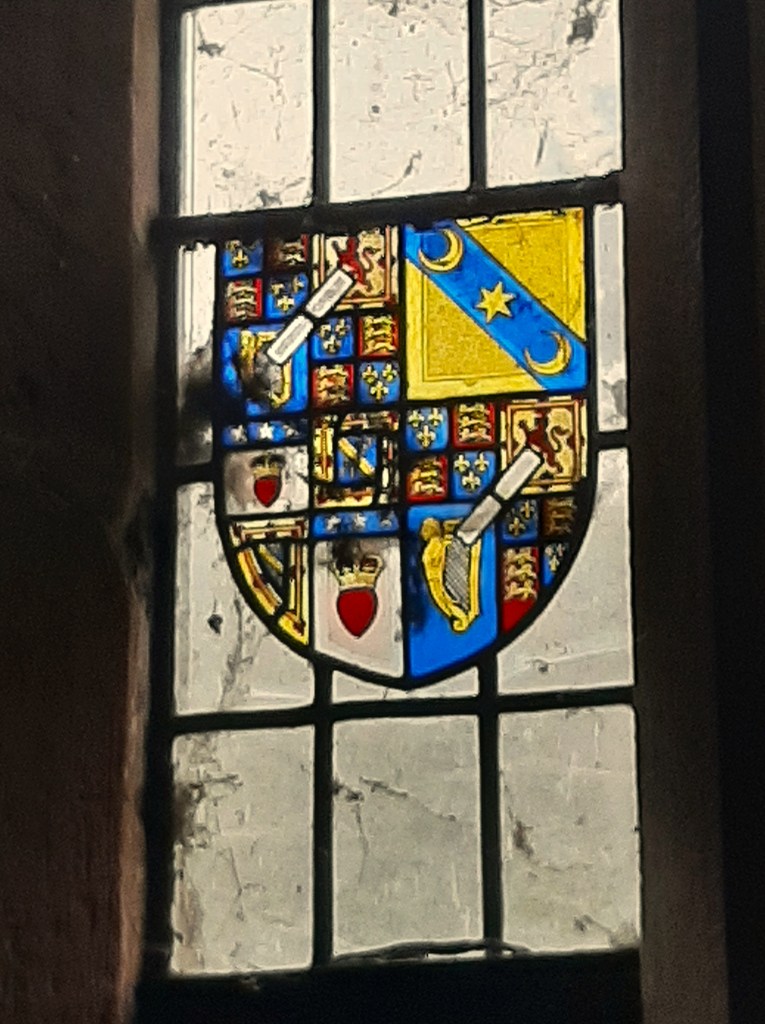
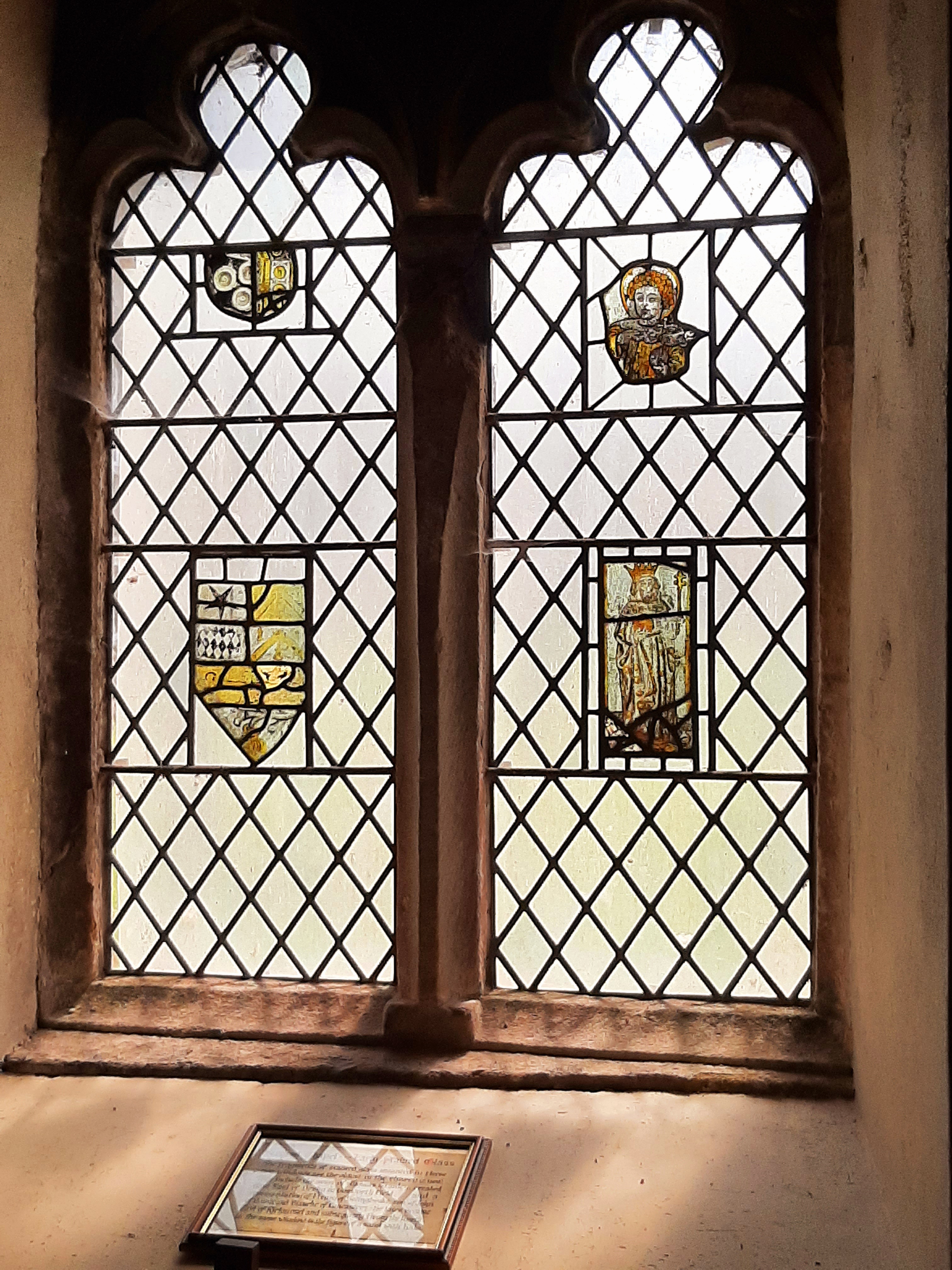
There are fragments of medieval glass in the Lady Chapel. These depict King Henry IV, fragments of Christ the King, coats of arms thought of the Stanley family, who were given lands of Westmorland, including Beetham, after the Battle of Bosworth.

(thanks to the websites of Beetham Church and Wikipedia)


Leave a comment

The Quest to St.Patrick’s Chapel and St. Peter’s Church

The Quest

This series of blogposts combines historical sites in Cumbria and the Borders with personal reflections. I am on a quest, a Calling, to go visit the paths of the Templars, Mary and Magdalene Way. I am trusting my intuition, the sights and signs I find as I go and the Earth’s grid that connects me to land, place, and space across past, present, and future. These posts document my journey and the insights I uncover within myself. The writing is a blend of personal insights, historical findings and storytelling. I feel I am one long storyline unfolding with the next steps.

The Calling presents the Quest,

and the Quest propels the Way.

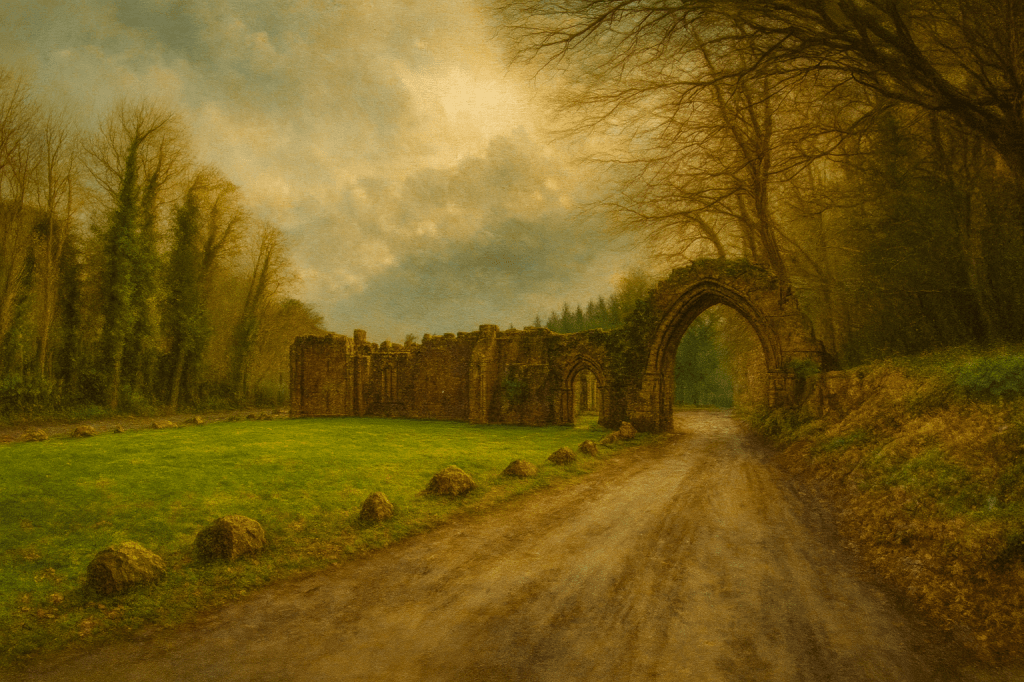
AI generated with CoPilot Microsoft
AI generated with CoPilot Microsoft imaging

The Knights Templar’s Crossing

As they neared the coast, their safe harbour that had been established more than 400 years prior was in sight. Their course had been maintained throughout this journey, guided by comforting signs, the swans nearing the coastline, the stars, their Stella Maris.

This time the crew felt the pressure of their final departure. They had nearly completed their mission, at least by sea. They observed the prominent chapel on the coast and expressed gratitude to St. Patrick and St. Martin of Tours. The ship groaned against the waves, but predominantly, they heard their own voices in adoration, as they chanted together through these final moments to shore.  

The chapel came into view, followed by the lights along the shore. They had entered safe waters, and the sight of the Bay served as a reassuring indicator of their proximity to Sanctuary, a place they now longed for. The Brethren on the sandy shore were prepared to extend a warm welcome, offering necessary care and support, especially given the near completion of their mission. The promise of rest was both a source of nourishment and a reminder of their fatigue. Their bodies instinctively recalled the safety of the Abbey, lulling them into premature rest. They had to summon inner strength to keep moving forward.

The sky resembled a velvet canopy, with stars lighting their way to the shore. She remained their reliable guide once again. They travelled when the moon was waning, navigating through the night under Her starry cloak. Upon anchoring on the shore, they discovered that their elder companion had passed away. The movement of the ship and their voices in prayer had gently carried him into eternal rest.

Suddenly they realized this changed everything. It demanded a delay to their journey for another day and night. The following period would be dedicated to honouring their long-time mentor who had guided them since the beginning. One of them took responsibility immediately and could be heard speaking to the Brethren on the shore. The others all silent onboard, now below deck. When they all raised their gaze at the same time from their beloved elder, at peace, they realised this wasn’t just about the Rites of Parity, but a successor.

They all felt the same rise of notability. The one who was to be given the keys. They all shared the same thoughtful consideration for the individual who was to be united with the formal rites of the keys, who was not yet aware of the important duty he was to undertake. His life was about to change with the formal transfer of authority, marking not just the departure of his elder brother but also the transition of responsibilities into his hands before proceeding to the Abbey. It was necessary to conduct this ceremony with due solemnity before handing over the charge in their hands to the guardians of the grail.

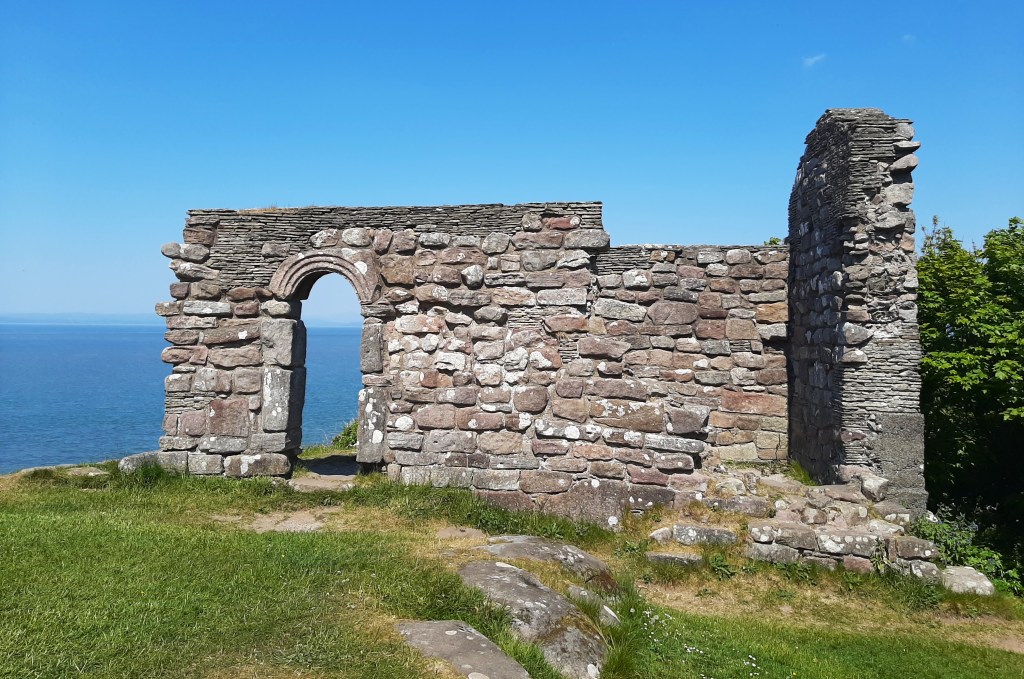
History of the Chapel

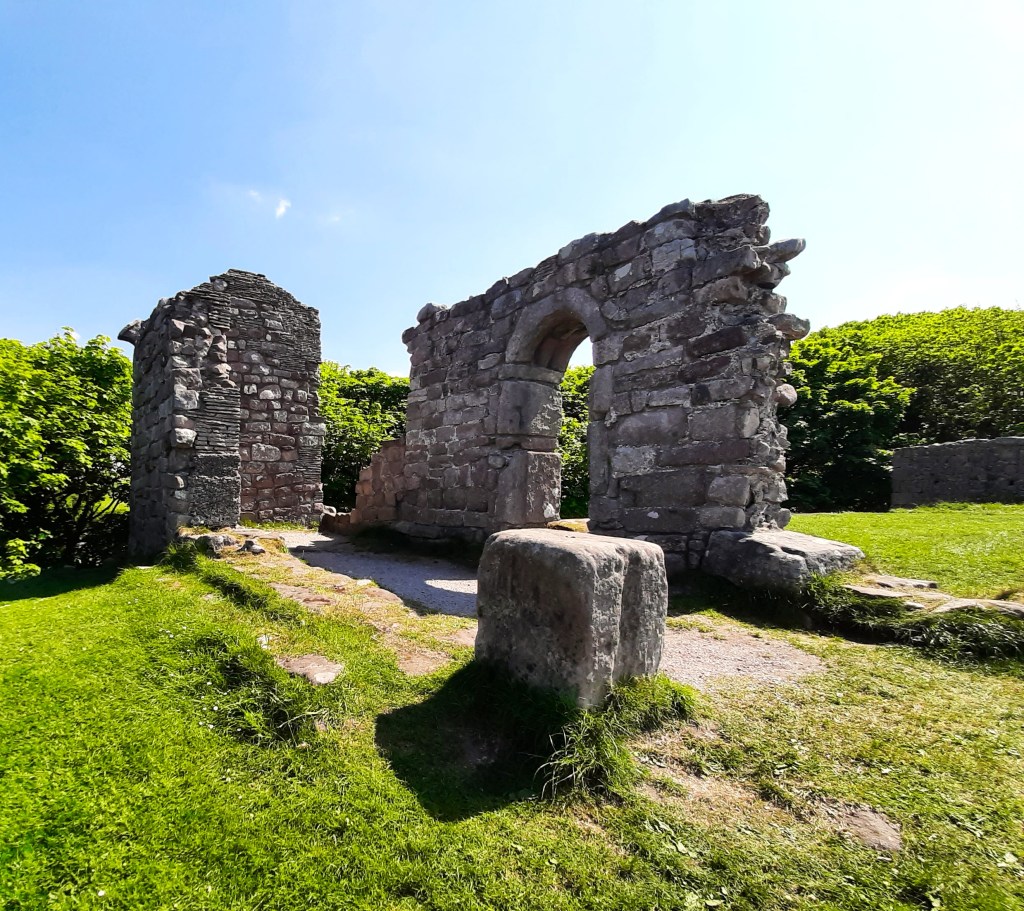
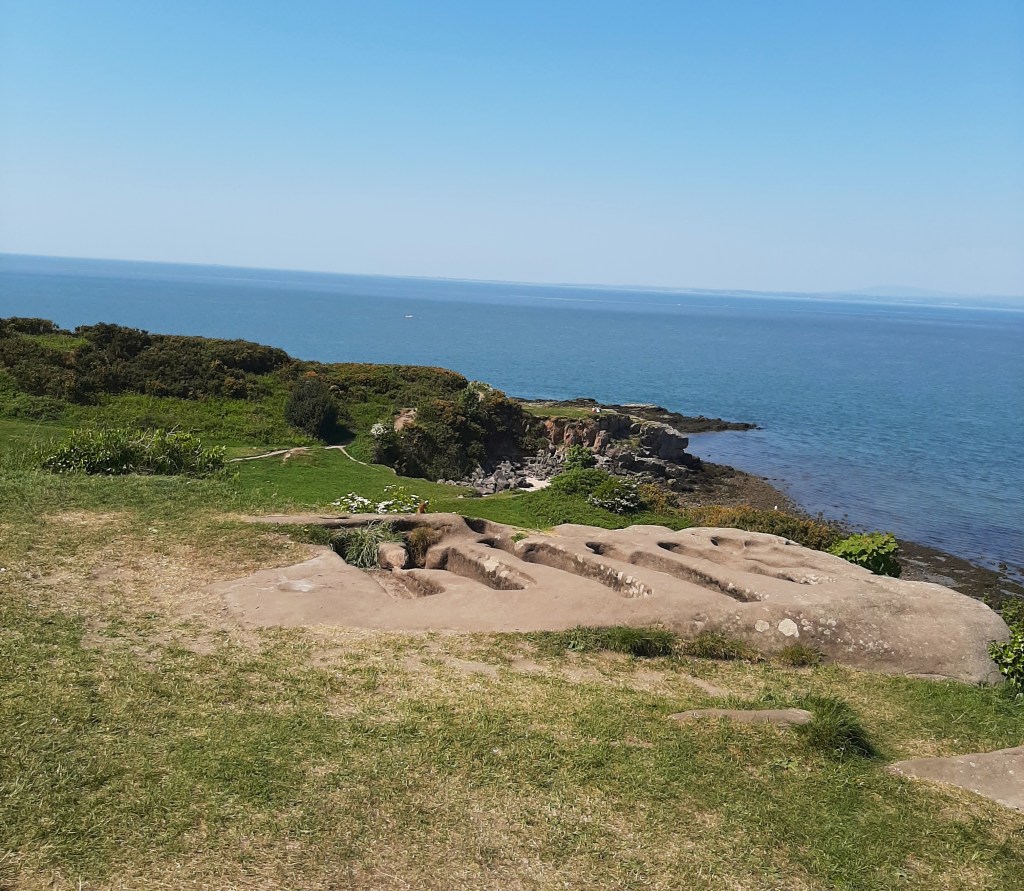
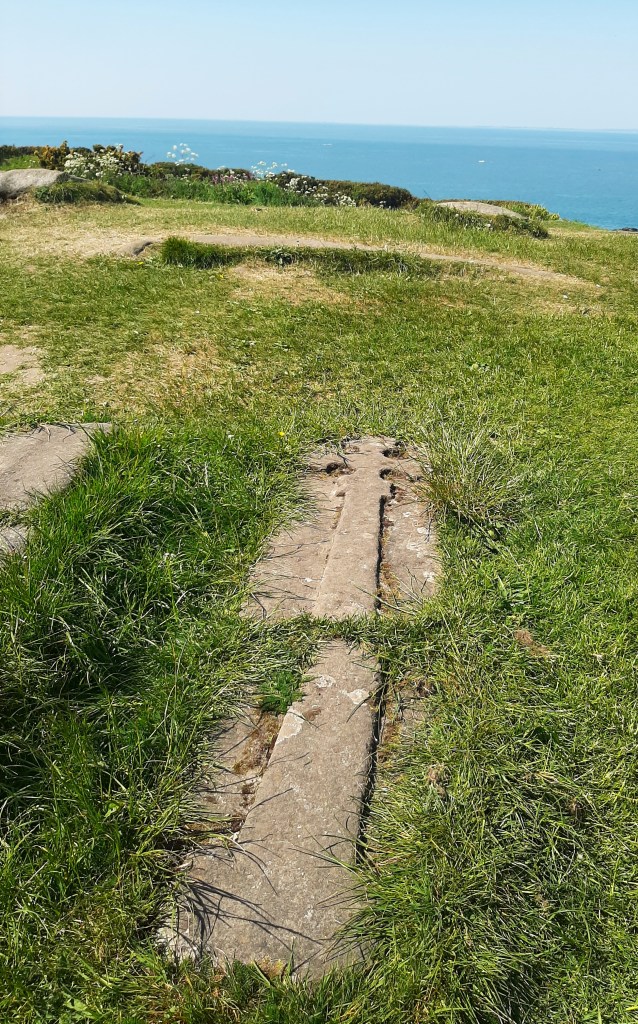
The ruin dates from the 8th or 9th century and is built of sandstone. Near the chapel is a group of six rock-cut tombs from the 11th century and a separate group of two rock-cut tombs. Each group has an associated socket probably intended for a timber cross. The buried skeletons uncovered were dated as no earlier than the 10th century. 1,200 artefacts were also recovered, which showed that the site had been occupied about 12,000 years ago (https://en.wikipedia.org/wiki/St_Patrick%27s_Chapel,_Heysham).

Archaeologists found that the cemetery was split into a large central area with two smaller sites in the east and west. Bodies were placed on their backs, in a traditional Christian east-west orientation (with their heads pointing towards the west). Some had their arms crossed, which was also an early Christian practice. A mix of women, men and children were interred. Perhaps surprisingly, ten people, two of which were children, were buried under the floor of the chapel itself. Around eighty-four individuals from the community were buried on the site during its use, with an even split between males and females. They are reburied in the church yard at St Peter’s church.

Of particular significance was the burial of a woman who was placed close to the south door of the chapel. She had been wrapped in a shroud and to the right side of her pelvis was a curved ‘hogback’-shaped bone comb of Anglo-Scandinavian design.

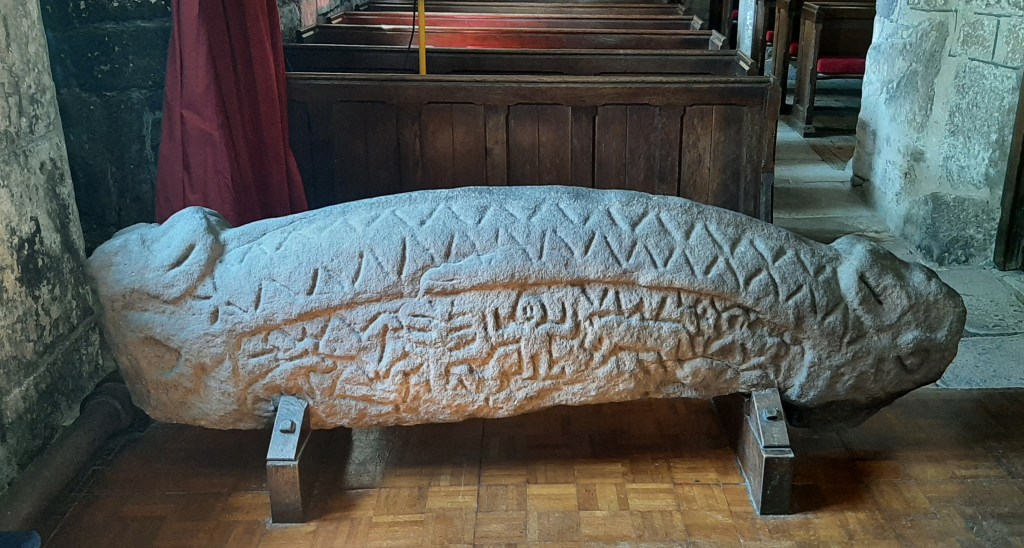
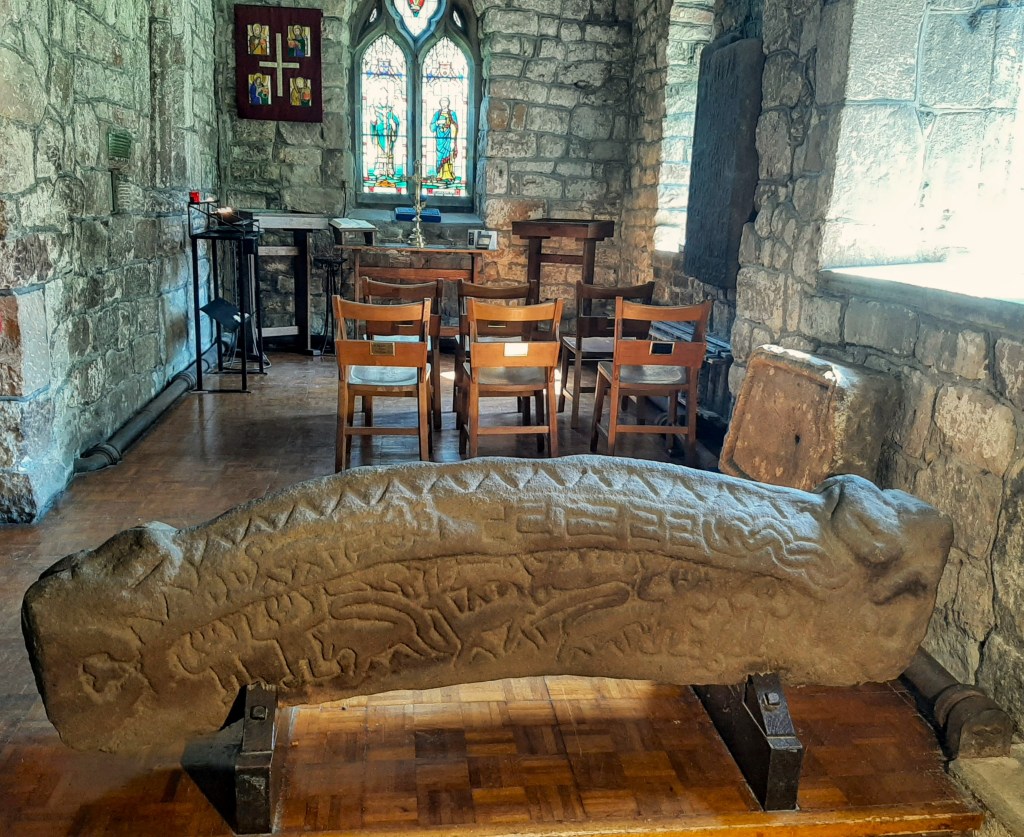
Heysham also has a Viking age hogback stone in the nearby St Peter’s Church.  

It is not known where or when St Patrick was born but, historians place him sometime in the 400s. In recent years, two places have been put forward for his place of origin, Ravenglass in Cumbria and Birdoswald near Hadrian’s Wall. After six years in Ireland, he escaped and returned to England. It’s not clear where he made landfall – local tradition holds that it was at Heysham (https://lancashirepast.com/2024/11/30/a-history-of-the-rock-cut-graves-and-st-patricks-chapel-heysham/).

All photos by Janice Turner Salmon