It occurred to me today that within a Medieval Monastery, under the Benedictine Rule, a visitor would first be invited to stay for a few days in a guest house. Likewise, the author and teacher of contemplative practice, James Finley, states that when meeting a visitor at the door, do pause and ask if we can meet the needs that are arising? Can we share an interconnectedness?
In reflection today, I have been sitting with this same question, but as a metaphor for my thoughts. If I consider the visitor, as my thoughts, maybe I can apply this to heart centering prayer practice. How do I greet my thoughts? Are they invited? Do I have the capacity to welcome and sit with these thoughts? Or is this a time to keep the door closed?
Today I sit with the notion of thoughts as visitors. It is ok to be silent. It is ok to keep the door closed for a while.
““Every time you let go of a thought—even if another comes back—you’re practicing this deep motion of non-clinging, letting go, consenting, surrendering.” — Cynthia Bourgeault
Part 2- Story of the Knight’s journey up the coastline of Cumbria
The ceremony lacked the expected level of union for his liking. Godfrei felt depleted in the effort to give their companion and teacher due solemnity and observed rites of parity. He could sense the weight of disappointment.
The Chapel now felt empty. It might have been fatigue, or the grief that hit them so unexpectedly. They wouldn’t have been surprised if their elder had passed away in his sleep in Spain, but he had regained his strength and resolve before their last voyage, determined to lead them to deliver their charge.
The brother of this chapel stepped forward, they could not linger here. The all-night rituals had been conducted at the expense of rest and nourishment. It was now time to depart. The brethren spent the entire night coordinating their plans with the changing tides. The brothers, overwhelmed and jaded, agreed to trust their long-held friendship with the villagers. Other boats awaited to take them a short journey up the coast then inland, so they pressed on to Beetham.
The Lord of the Mosses received notification yesterday and subsequently prepared the new resting place under his protection. Although the Church was cold and damp, the setting sun streamed through the high windows. Provisions, including food, wine, and bedding, were offered and a safe place to pray before they rested.
The lay sisters convened to perform the Liturgy of the Hours, as they prayed and rested. They remained cognizant of the villagers’ efforts of heightened security surrounded by daily activities. The reasons for these measures begged further inquiry, but the hymns soothed their tiredness to sleep.
When Godfrei awoke from his bedding mat on the ground he felt inspired by his brothers’ actions. He saw two of them praying in the Lady chapel and decided to join them. He seemed to drift easily into the liminal space of Sanctuary. The singing of the sisters, the soft light of the candles, the sweet smell of the cooked loaf and the warmth of his new clothes lulled him inwards.
Word finally came in the evening light. A soft rap on the wooden door, then voices, stirred him from the cushion on the chapel floor. Had he drifted back into sleep? No, he had gained his direction from his curled position, but it was not sleep. He had finally been able to rest, eat, and gain enough strength to enter the realm of guidance.
He got up and approached the doorway, dubiously not from fear but the strangeness of the light. He knew before he entered in the conversation, passage north was possible. But the conversation brought more difficulties to the journey ahead. Dacre’s man had brought word. Safety for their vessels was always paramount and raiders where in the waters around the coastline. The route was now over land. They were so close to the Abbey, but this meant the Abbey was also at risk.
The delay now appeared intentional. The death of their Elder, the overnight Rituals, the stay at the church were all keeping them hidden from the coastal route. All these delays were divinely guided.
This was the very quest undertaken by their predecessors, and now it was their turn.
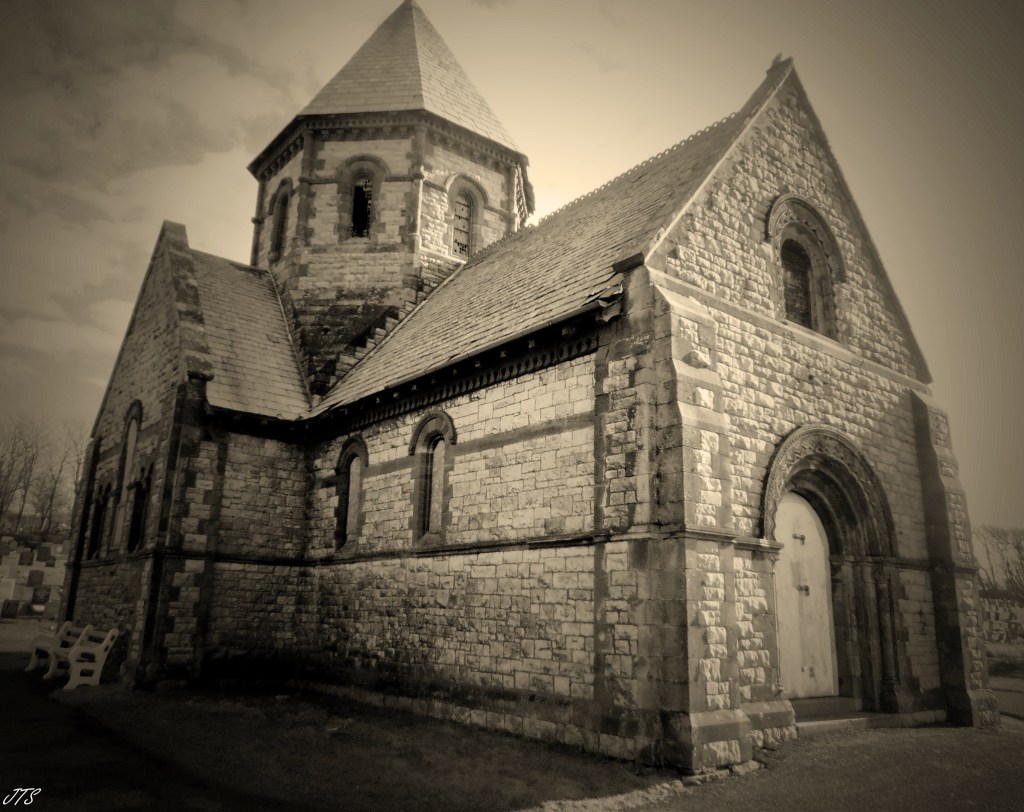
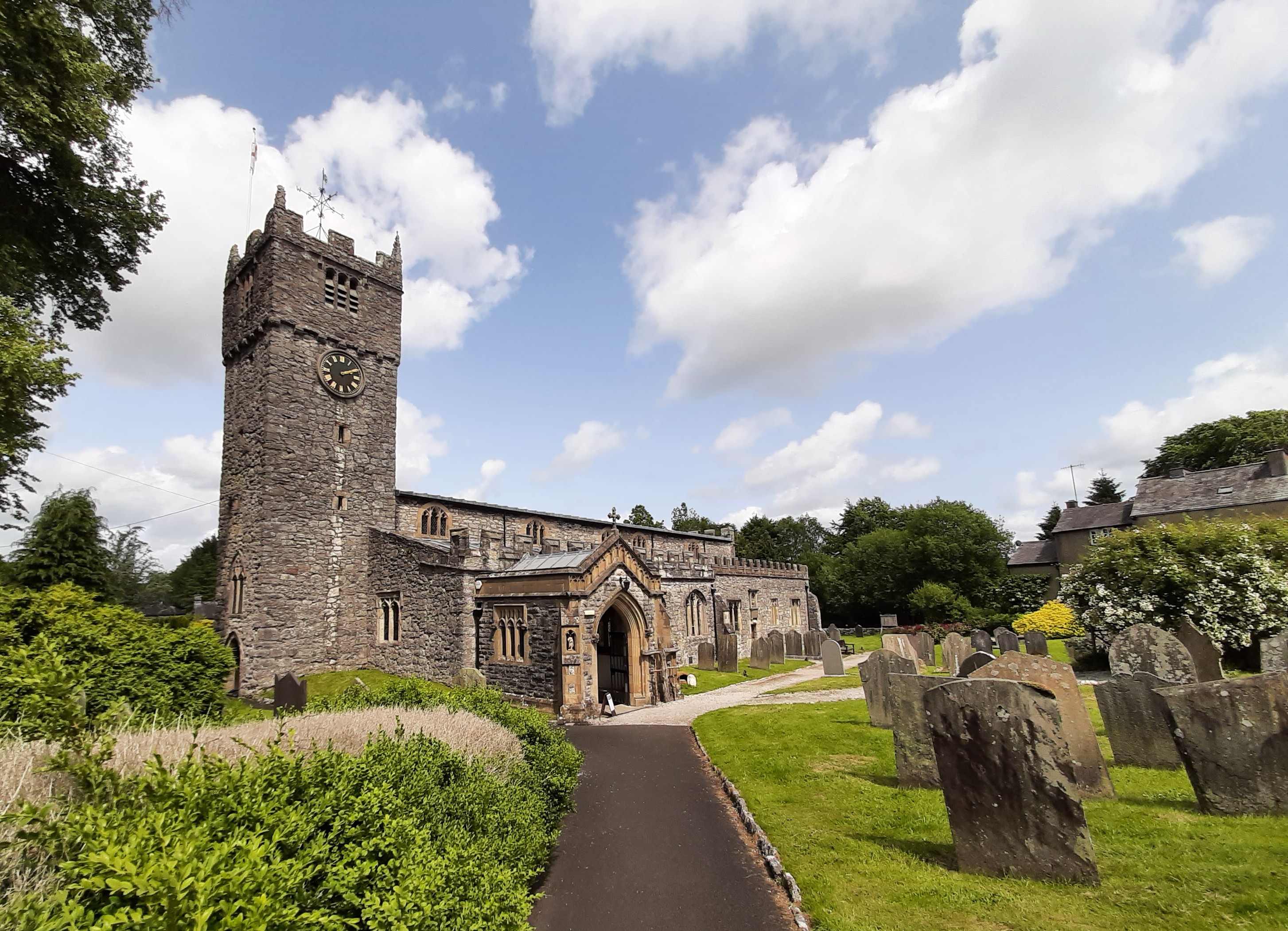
St. Michael and All Angels Beetham Church
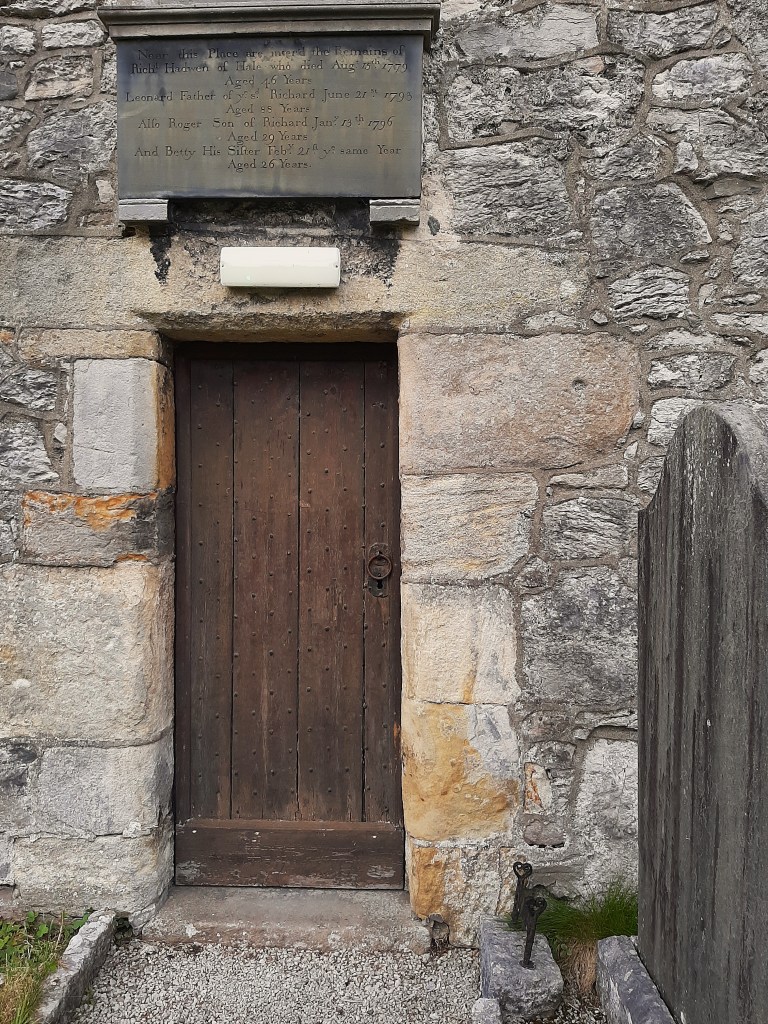
The church is on the south border of Cumbria into Lancashire just off the A6 at Milnthorpe. The tower is an old Anglo-Saxon structure, with extended church aisles dating from the 12th century and full restorations in the 18oos. There are many interesting features to the exterior including a sundial to the right of the priest’s doorway.
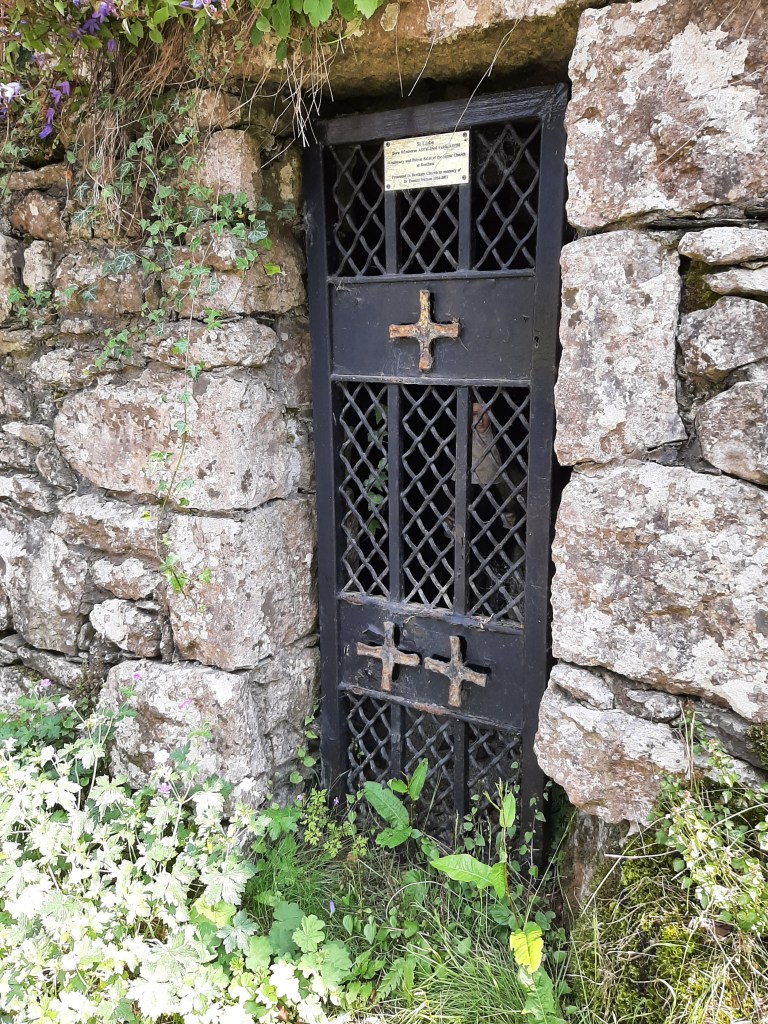
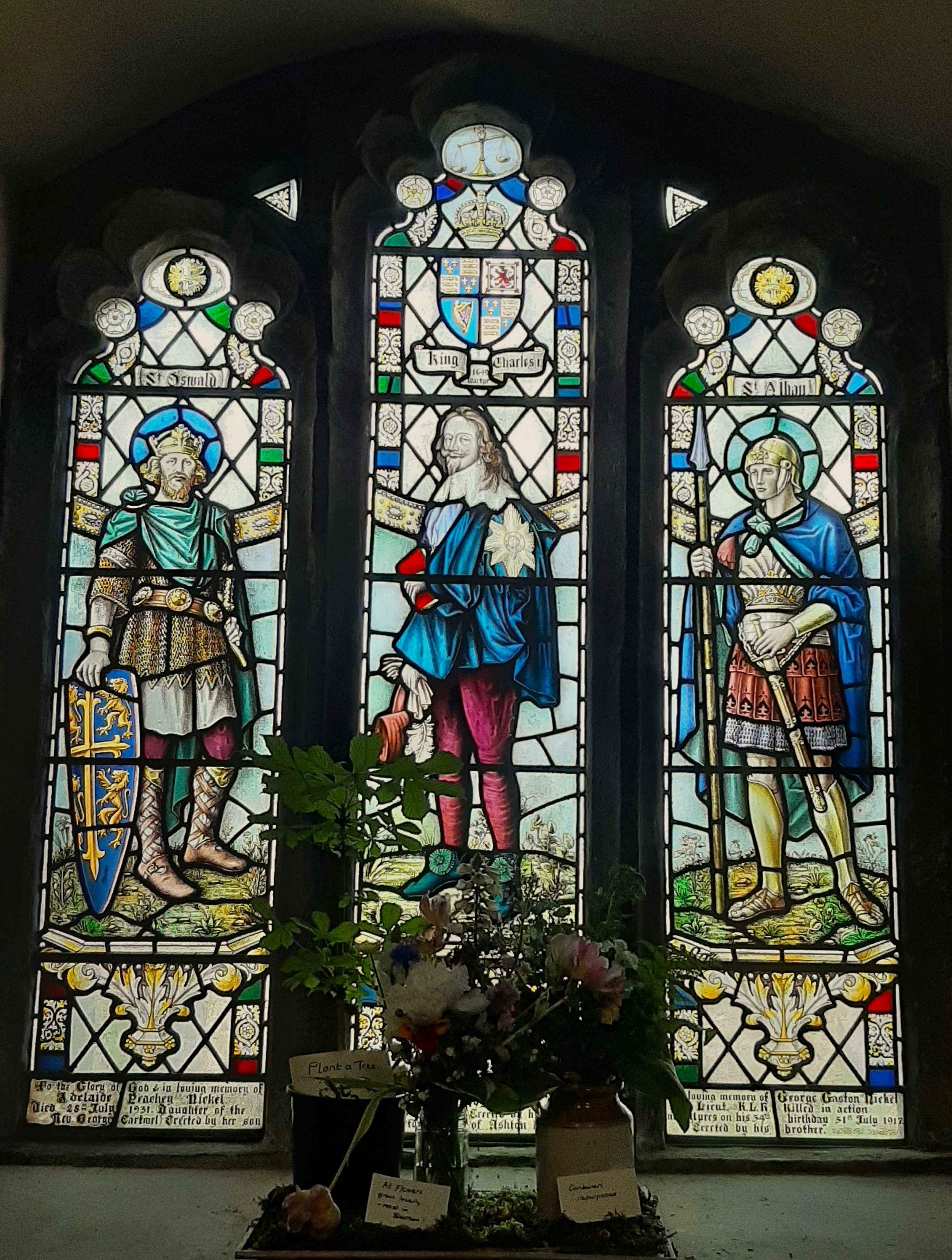
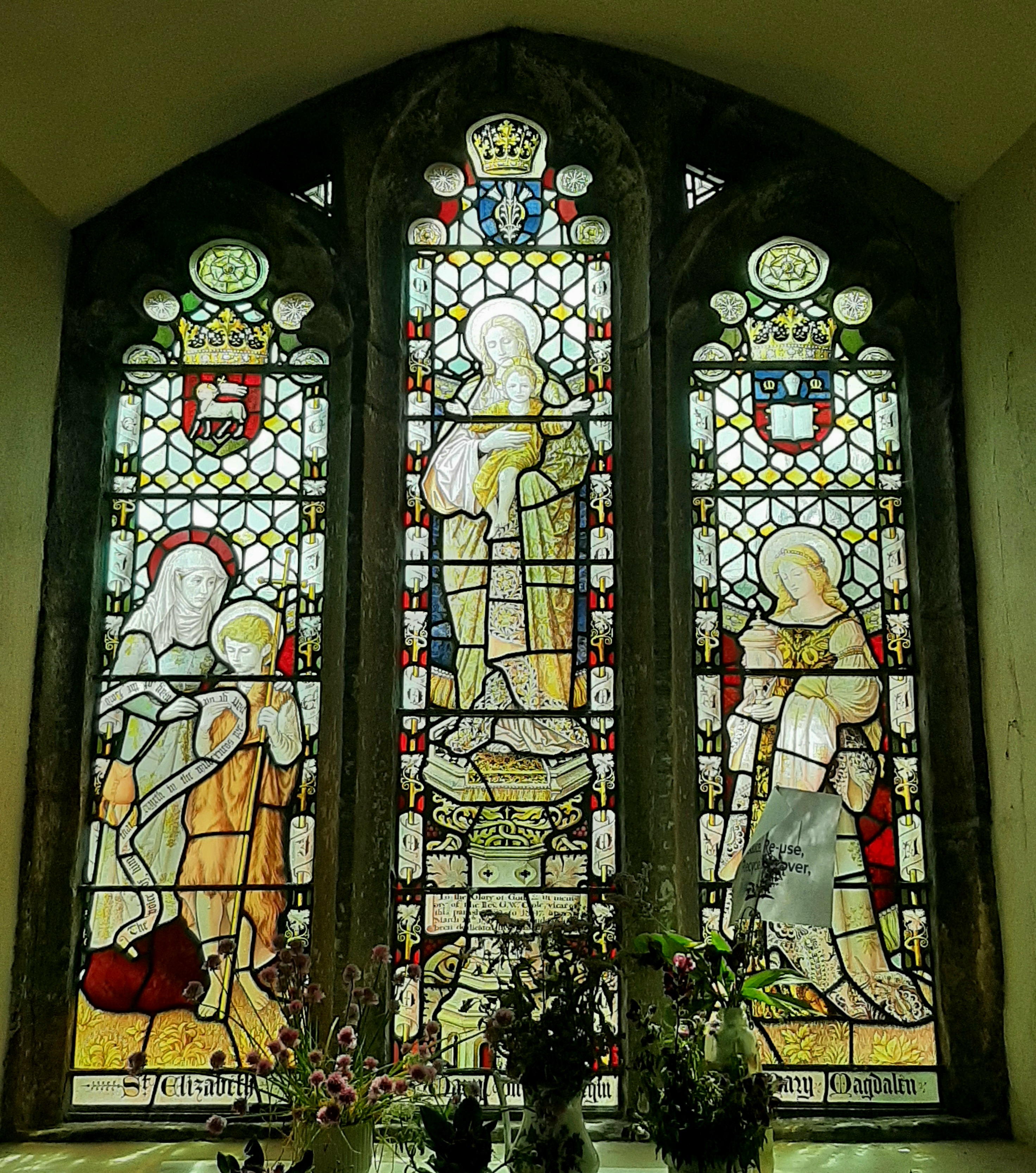
The church was first dedicated to Saint Lioba, the 7th century Benedictine nun from Wessex. The daughter of a noble family and related to St. Boniface. She was educated at Wimborne Minster, probably skilled in the fine ornamenting of scriptures and needlework that created the embroidery of wall hangings of Europe’s great houses. She is well known in Germany as an Abbess in the convents of St. Boniface. She was known to frequent the royal courts of Charlemagne and to have performed miracles. Miracles that the Monk Rudolf of Fulda claimed continued to work from her grave tomb.(Wikipedia). I found the anchoress’s cell up the road from the church the most honourable dedication to one of England’s saints the most precious sight in our times. The stain glass windows within the church depict Lioba with Wessex royal Saints Ethelburga. She was the 7th century daughter of King Æthelberht of Kent and Queen Bertha. In 625, she married Edwin of Northumbria as his second wife. A condition of their marriage was Edwin’s conversion to Christianity. Here she is pictured also with Saint Osyth. She was born in Quarrendon in Buckinghamshire. Her father was Frithwald a Mercian sub-king of Surrey and her mother was Wilburga, daughter of King Penda of Mercia.
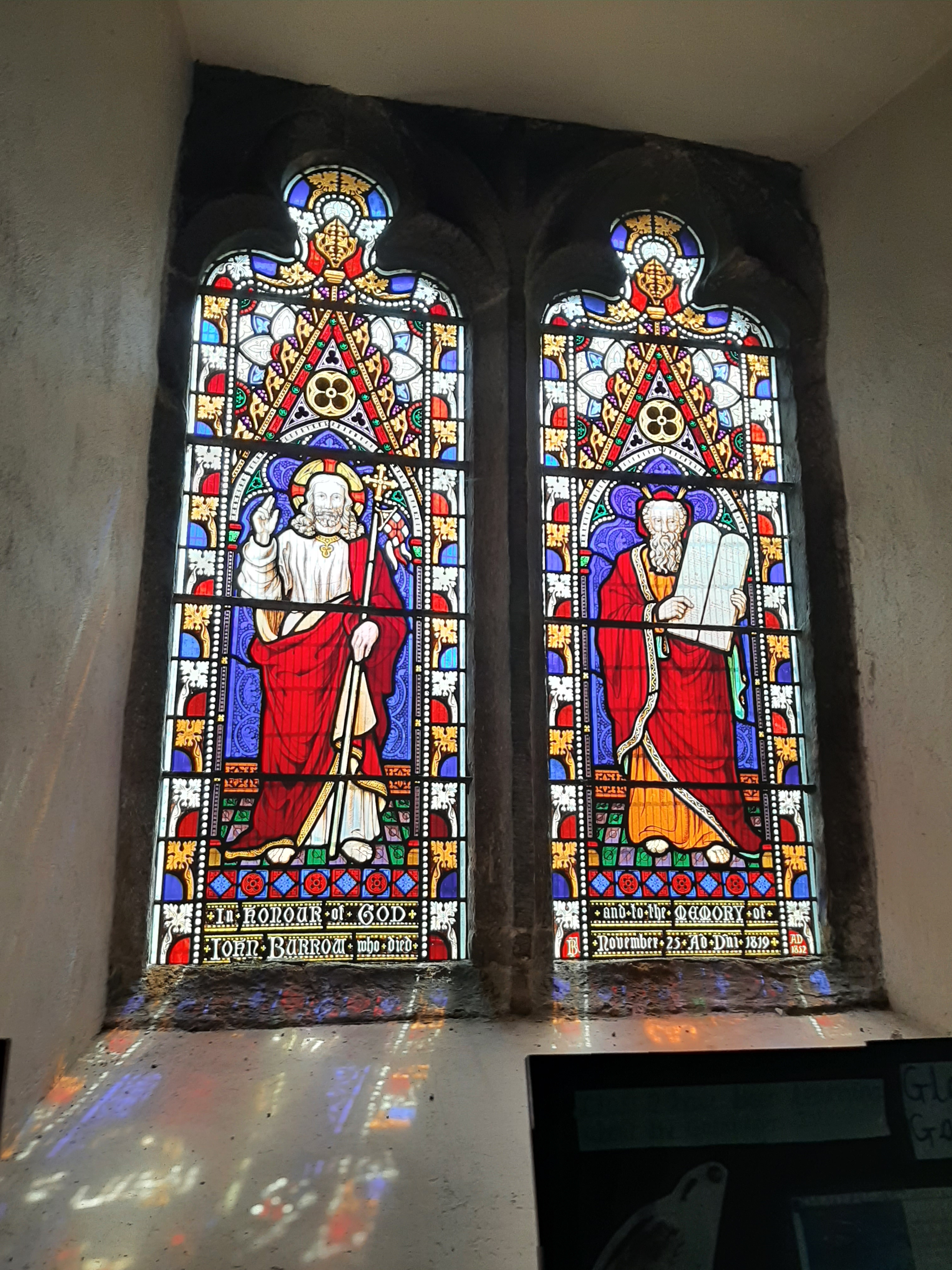
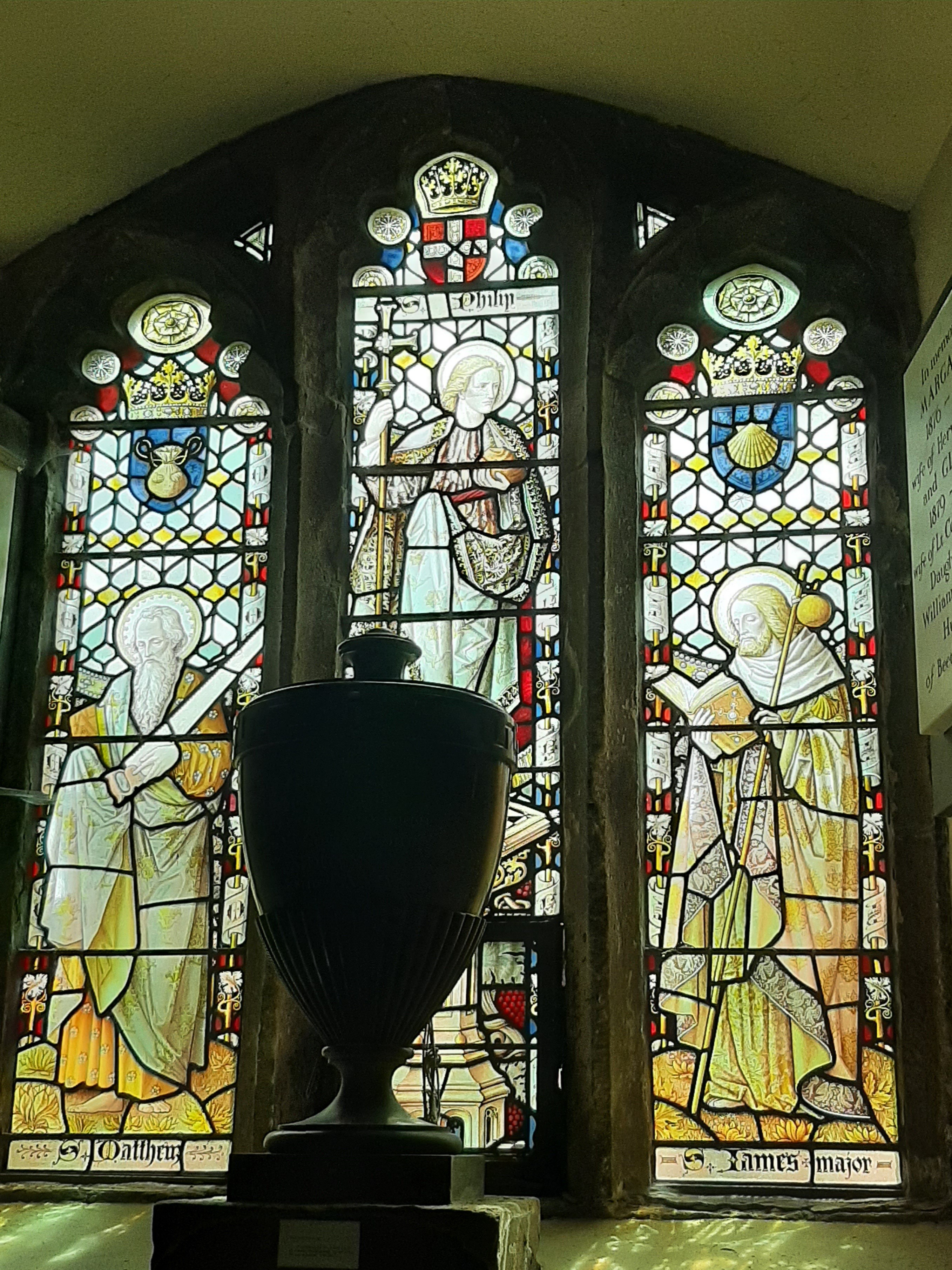
The stain glass windows to early Christian saints are delightful in the church. They are full of vibrant colour and contain the apostles including Mary Magdalene.
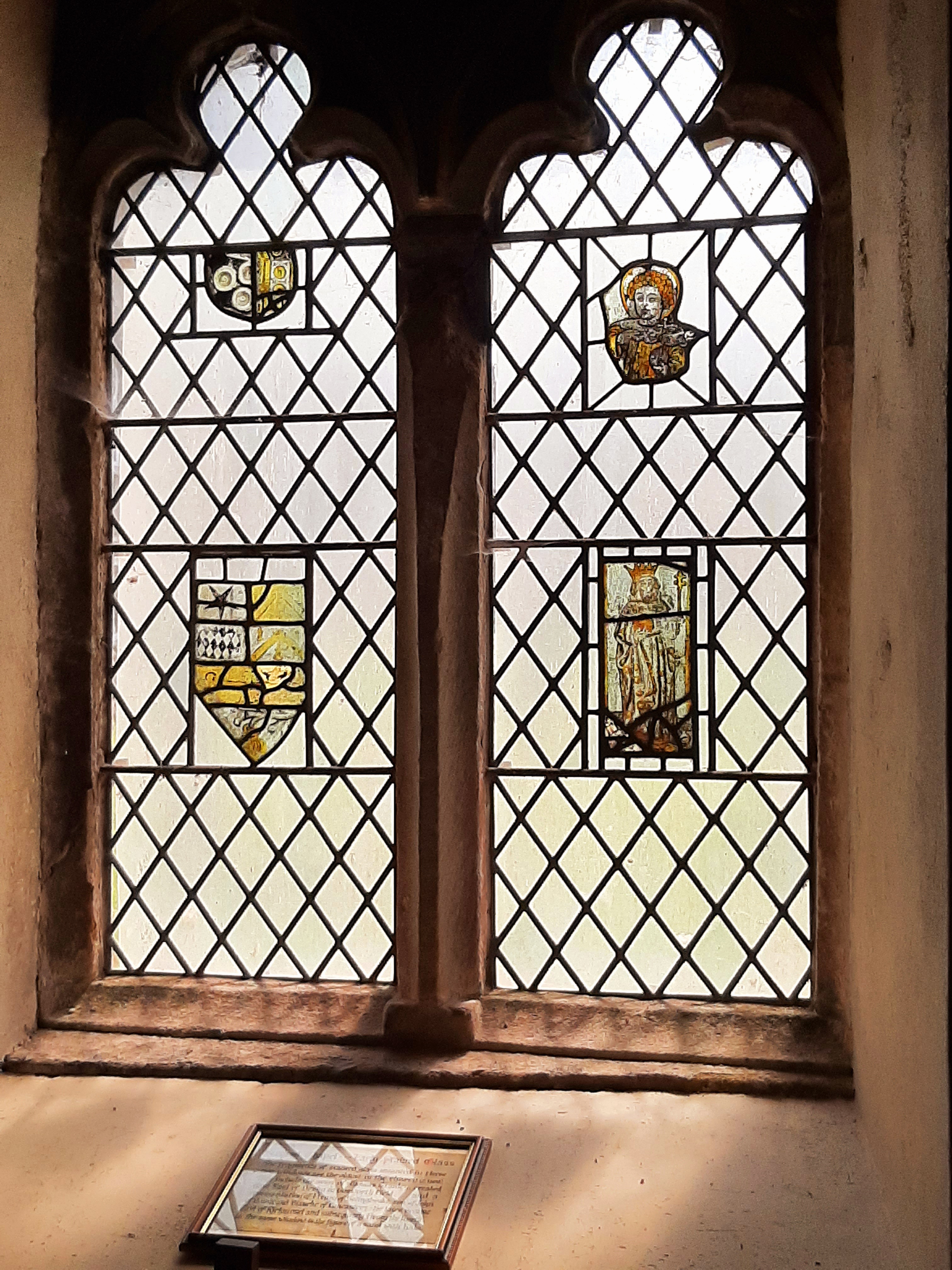
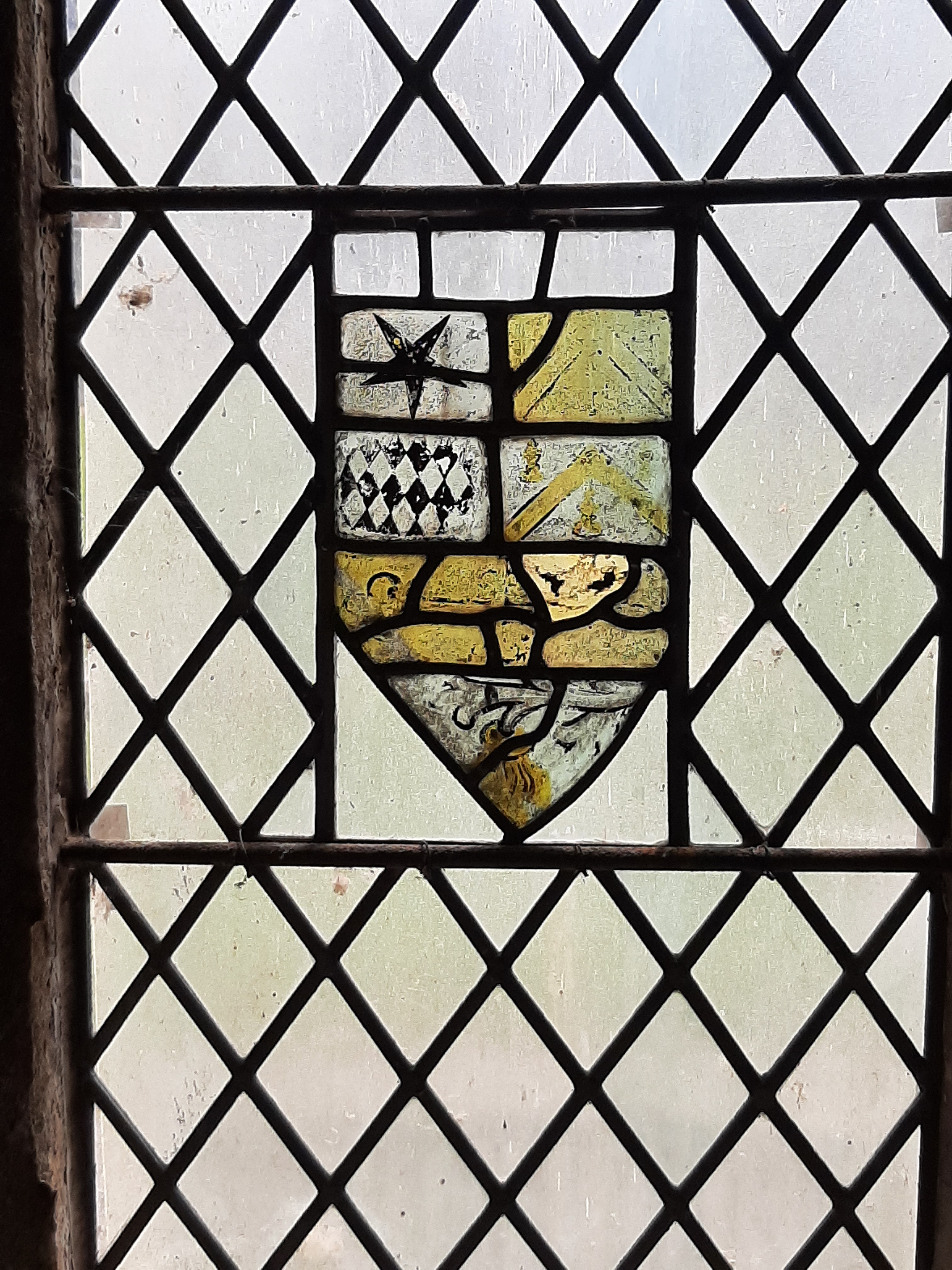
There are fragments of medieval glass in the Lady Chapel. These depict King Henry IV, fragments of Christ the King, coats of arms thought of the Stanley family, who were given lands of Westmorland, including Beetham, after the Battle of Bosworth.
(thanks to the websites of Beetham Church and Wikipedia)
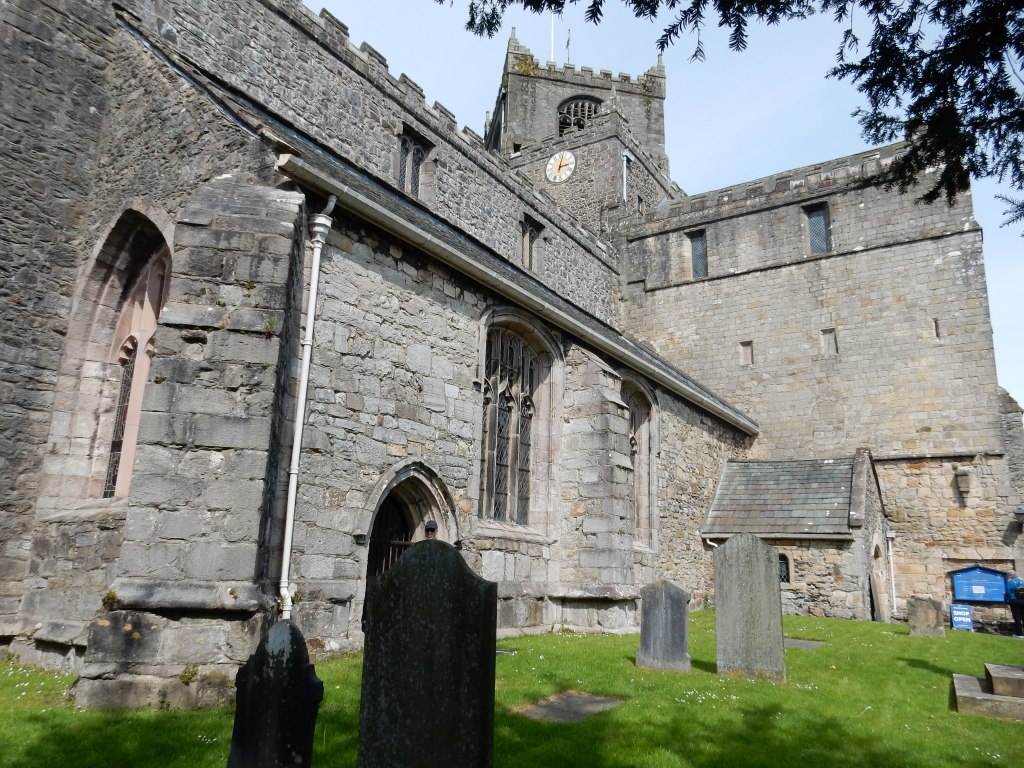
Do you ever get the call to a certain place? The inner calling that just doesn’t go away until you surrender and visit the place. Recently I was pulled toward this place, The Priory of St Mary and St Michael is commonly known as Cartmel Priory. As we travelled toward village of Cartmel we passed many historical, stone buildings and new modern signs of the times, one of these was a new Starbucks with its familiar logo at the side of the road, but I will come back to that later….
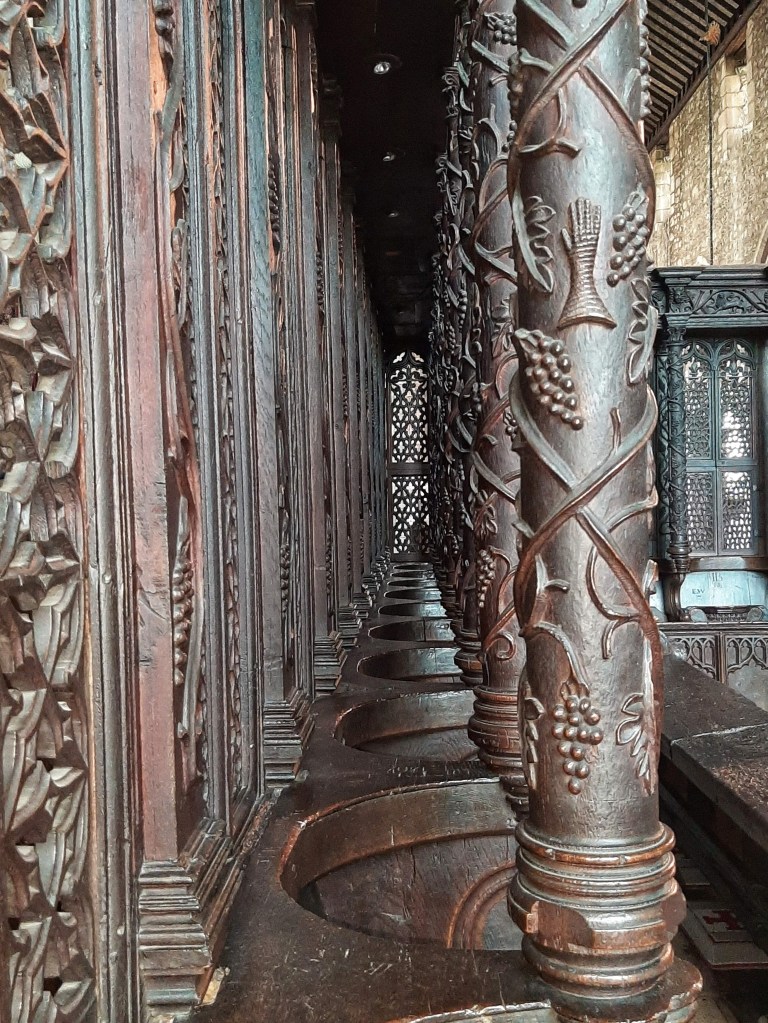
The feel of the Priory is soft, contemplative, and devotional. There is a sense of femininity and a weaving of the Marion energies that seem to create a state of profound gentleness. The other aspect of significance to me was the image of a Goddess in the choir stalls. While the stalls have fabulous symbology with curious carvings throughout, this figure seemed to create a celebration of the feminine nature with more zeal and deliberation.
Medieval Mermaids
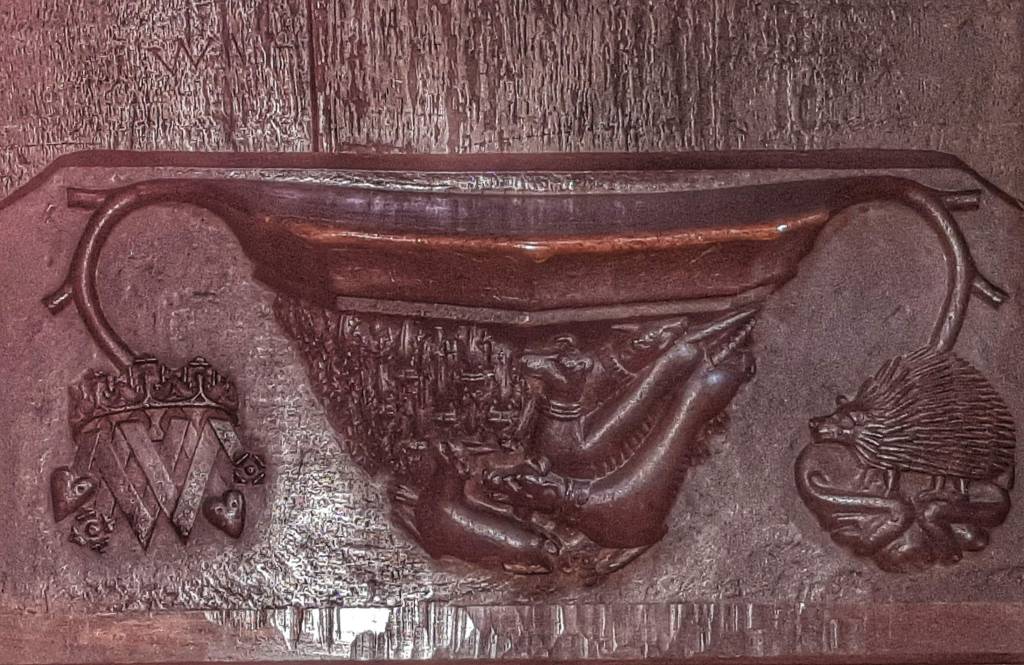
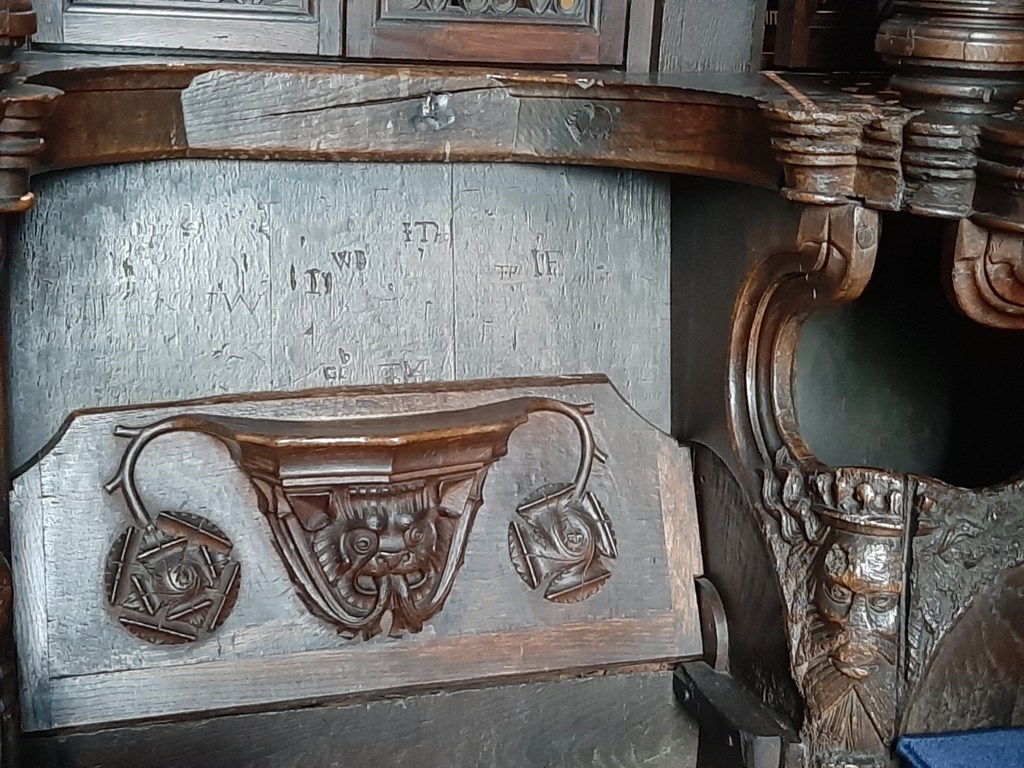
The carvings are “hidden in plain sight”, under each seated of the choir stalls, dated to the 15th century. The intricate details of the carvings are not of a Cumbrian landscape of that era. There are lions, palm leaves, faces, plant life and a mermaid, in the 15th century choir stalls. At first I thought the figure of the mermaid was of Yemoja or Mami Wata, with a comb and mirror, also symbolic to Aphrodite. It was a strange curiosity to find this image here in a medieval monastic place of workship! But on a little delving into mermaid history in churches in the British Isles there are other misericords with carvings that are similar at Tewkwsbury, Carlisle and Zennor in Cornwall. But this mermaid has two tails!
In medieval art it is said that a mermaid with two tails is a Melusine. The myth of the Melusine weaves through French, English and Scottish royalty, and as far back as Queen Isabella I of Jerusalem. This is a storyline that was known throughout the ancient worlds at the time of the Crusades. It is a myth that links the Crusaders, to the Royal Houses, and a familiar story of the Merovingian dynasty holding the bloodline from Mary Magdalene.
Is it a coincidence that the founder of Cartmel Priory, is believed to be a Knight’s Templar! I think it is a treasure trove of antiquity curioso, the stuff that good storytelling is made from. So William Marshal, the Knight was known to have escorted Eleanor of Aquitaine when they were ambush. William fought for her safety and was captured himself. Eleanor survived and paid ransom for William Marshal’s release. His career in the royal court ascended from this moment. So the link between the mermaid, the melusine? The water spirit or water fairy of the medieval culture was linked to the royal houses throughout Europe. One story is that a maternal line was weaved through the House of Aquitaine, a Queen who was a melusine, who could transform into the two tailed beauty. The story stretches all over Europe as the sirens, nymphs, mermaids tales thread through Medieval royalty. The first time I heard about the melusine, was from Margaret Starbird‘s books, the divinity schooled researcher on Mary Magdalene. She found similar images from the 1250s displayed in Alsace-Lorraine, France, which was once the seat of power for Merovingian kings.
Maybe you are reading this, and thinking, “now that is a stretch too far, she is seeing what she wants to see!”. But these were legends of that time and what we do have is one of these images sitting in a choir stall, carved during the 15th century, in a small village in Cumbria. Let’s face it, there are some stories we either do and don’t entertain, and why is that?, a man with a white beard flying through the sky at Christmas is ok? But a carving of a melusine linking the Augustinian Order to a medieval legend, and a Royal dynasty with Mary Magdalene? a step too far? I agree, that it is quite a thing to be suggesting, that the trail of Mary Magdalene makes a pit stop at Morecambe bay?! This is not St Baumne! But what a glorious well hidden, well executed secret, for so long, if it is. But what about the melusine? We do accept, daily, on the side of a coffee cup, the logo of this medieval legend and I saw this logo as I travelled towards the Priory on that day. There is a newly build Starbucks that had just erected the sign as we passed on the route that day. How did that happen to be part of the full circle story!
Starbucks.com logo Google images
Symbology in the Choir Stalls
But let’s not stop there, how about a Saracen dagger and an ear. I am definitely making the leap to the Saracen and St.Peter. When I first saw this, how could I not think, Malchus, the servant to the high priests who was stuck by Peter the Apostle.
I invite you to read the images for yourself with your own inner wisdom. What I do know, is that the Augustinian order had links to William Marshal. William was a Crusader, and travelled to Jerusalem, to Temple Mount.
Augustinian Monks
The stories of the Augustinian Monks say that they were an Order active within the community. They assisted the poor, supported agriculture and provided spiritual worship. One story states that the Monks would go out in a storm to help rescue fishermen and those in trouble at sea. They would risk their own lives rescuing others. There have been sightings from around the Bay area of the ghostly figures still to this day. Of hooded figures wearing dark robes spotted on misty coast roads, walking inland through the disorientated weather from stormy seas.
The final story is one of martyrdom. The loss of life is such a horrific way at the dissolution of monasteries. Their story ends at Gallows Hill, in Lancaster as part of the Pilgrimage of Grace.
History of this land and the Priory.
In 674 the land is bequeathed to St. Cuthbert by King Egfrith of Northumbria. First church established and dedicated to St. Michael.
By 1189 the finished Cartmel Priory is founded by William Marshal. A known Knight’s Templar who is buried at the Temple Church London (1219)
Throughout the 13 and 14 hundreds there are additional building works and renovations due to raids and ruin. Henry VIII dissolves the monasteries. The Priory monks are expelled and the King’s commissioners remove all assets, even stripping the roof lead. Villagers petition the King to spare the church. The monks and 10 laymen are hung, drawn and quartered at Lancaster for treason. For the next 2 hundred years the Priory is restored bit by bit by the village, in the 1600s Cromwell’s men do further damage after the village is steeped in poverty and famine, but they somehow keep up the restorations as they view this Priory as their church their holy ground. By the 1800s the Priory is in need of extensive restoration and work is done through out this period to restore major works that have brought this Priory into the 21st century.
The Greatest Knight
William Marshal was a famous character in medieval Britain. One of the wealthiest and most powerful owning estates throughout the country and acting as Regent, King’s negotiator and influential to the writing of the Magna Carter. His name of the time, (in French) is Guillaume le Maréchal.
Around the age of twelve, when his father’s career was faltering, he was sent to the Château de Tancarville in Normandy to be brought up in the household of William de Tancarville, a great magnate and cousin of young William’s mother. Here he began his training as a knight. This would have included biblical stories, Latin prayers, and exposure to French romance literature to confer precepts of chivalry upon the future knight. In 1166, he was knighted on campaign in Upper Normandy. In 1168 he served in the household of his mother’s brother, Patrick, Earl of Salisbury. Later that year Patrick was escorting Queen Eleanor on a journey near the boundary of her province of Aquitaine and Marshal was part of the escort. They were ambushed by Guy de Lusignan who was trying to capture Queen Eleanor, Patrick was killed but Queen Eleanor escaped. He would remain a member of Queen Eleanor’s household for the next two years, taking part in tournaments and increasing his reputation as a chivalrous knight.
In 1182 he vowed to take up the cross and undertake a crusade to the Holy Land, and after receiving Henry II’s blessing. Marshal left for Jerusalem in late 1183, nothing is known of his activities during the two years he was gone.
1186 William rejoined the court of King Henry II, the King gave William the large royal estate of Cartmel in Cumbria.
He was promised the hand in marriage and estates of Isabel de Clare (c.1172–1220), Marshal married the 17-year-old daughter of Richard de Clare (Strongbow). Her father had been Earl of Pembroke, and Marshal acquired large estates and claims in England, Wales, Normandy and Ireland. The marriage transformed the landless knight from a minor family into one of the richest men in the kingdom, a sign of his power and prestige at court.
William was included in the council of regency which King Richard appointed on his departure for the Third Crusade in 1190. Marshal served the king in his wars in Normandy against Philip II. On Richard’s death-bed, the king designated Marshal as custodian of Rouen and of the royal treasure during the interregnum. On 11 November 1216 at Gloucester, upon the death of King John, William Marshal was named by the king’s council to serve as protector of the nine-year-old King Henry III, and regent of the kingdom.
Fulfilling the vow he had made while on crusade, he was invested into the order of the Knights Templar on his deathbed. He died peacefully on 14 May 1219 at Caversham. He was buried in the Temple Church in London, where his tomb can still be seen. You find more information on William Marshall on Wikipedia.
Anxiety has lived with me for many years. I have read a mountain of books on the subject from psychology, self help to spirituality and akashic records. As well as a Master’s degree in CBT I started but didn’t finish.
The emotions of anxiety include emotional pain. The pain of being stuck in a holding of “I can’t”. ” I can’t tell them how I feel, I can’t express myself enough, I can’t put myself up for that speech and so I can’t do that job”. These were not feelings brought about by others they were limitations of myself. I felt held and stuck and in pain. The moment I felt a change was when I took a small step. “I can’t do the speech in front of so many people, but what if I took one small step towards speaking up. I can’t be heard in the team but what can I do to establish my boundaries”. Small steps to the land of becoming created a small success in belonging. In my own way I experimented with challenge (with some anxiety) and saw success of achieving movement out from within the pain.
The phrase you can’t eat an elephant in one go was my mantra. What smaller steps can I make? In the words of Sandra Ingerman, “taking small steps to climb a mountain will get you there just as surely as taking giant leaps. And the steps will also allow you to climb the mountain consciously as well as in your comfort range, keeping you in a state of balance and harmony” (Soul Retrieval 2011).
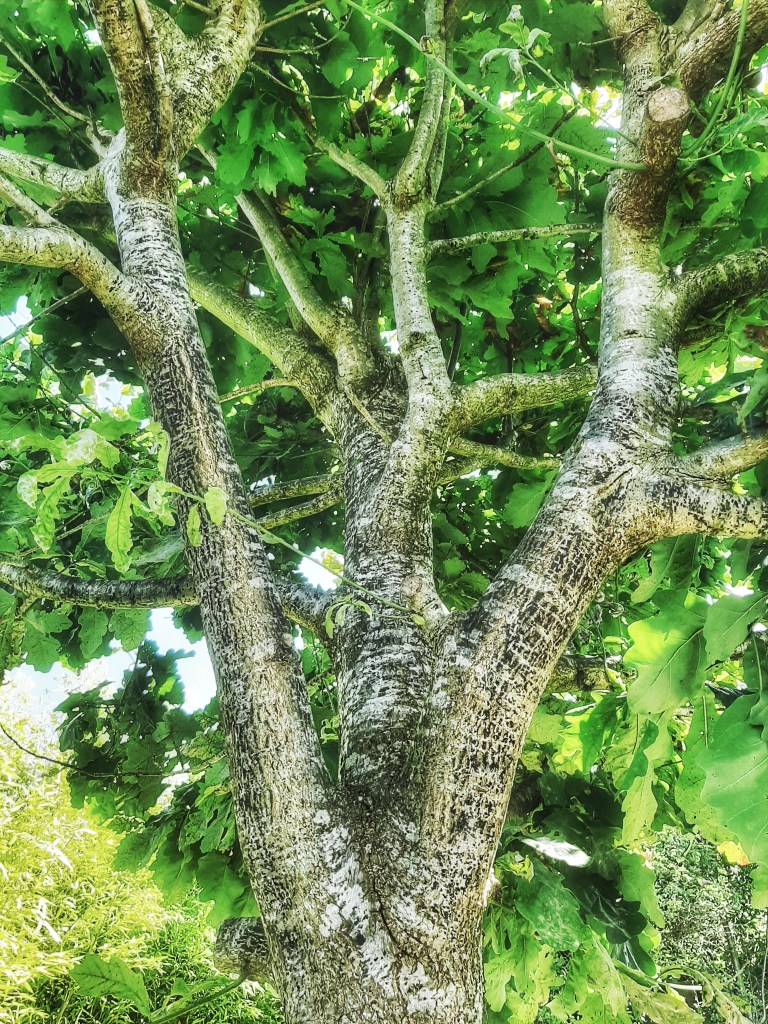
For me, the smaller steps were still challenging but manageable, they also required marking, like a reward to celebrate a new threshold reached. Celebrating myself for making the steps, however small where all part of the bigger journey. Marking these achievements was key as well as repetition. The advantage I see is that repeating the small steps creates a new perspective, a new development, a new wider comfort zone. And so the repetition becomes a habit and a routine from a new challenging moment some time ago. It gives me time to focus, refocus and repeat and do-over and so the competency develops into a competent confident skill. Small steps can be seen as wise steps where a repeating pattern creates comfort as well as individuality in the endeavour just like water wearing its way over rock to carve isn’t own way forwards. It may be a slow process but it becomes a less messy one. Nature shows us over and over that repetition creates growth. Think of that old oak tree every year discarding its leaves and reaching higher with new branches.
Rushing towards goals still has me sliding into the pain of anxiety. Knowing myself, within a relationship to myself, is also about knowing how I relate to my natural way of being in this life. It has also cultivated a compassionate approach to others and how anxiety feels when it is outside in the cold causing stagnancy and misunderstandings in all areas of life and relationships. Bringing anxiety into the inner circle of a compassionate relationship has become a way of reconnecting and understanding pain. Pain is not just a physical symptom, it is also emotional.



















 Medicinalmeadows