The Quest
This series of blogposts combines historical sites in Cumbria and the Borders with personal reflections. I am on a quest, a Calling, to go visit the paths of the Templars, Mary and Magdalene Way. I am trusting my intuition, the sights and signs I find as I go and the Earth’s grid that connects me to land, place, and space across past, present, and future. These posts document my journey and the insights I uncover within myself. The writing is a blend of personal insights, historical findings and storytelling. I feel I am one long storyline unfolding with the next steps.
The Calling presents the Quest,
and the Quest propels the Way.
The Knights Templar’s Crossing
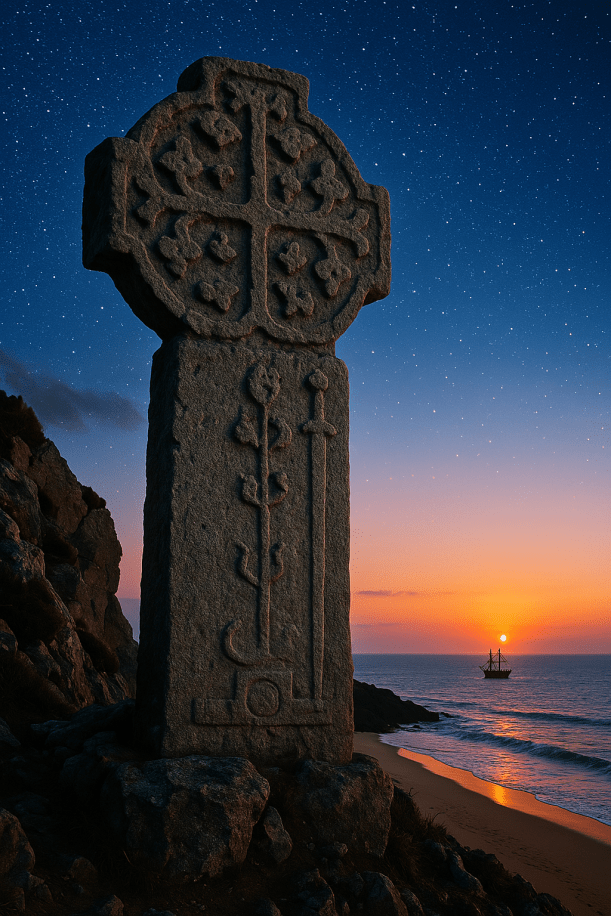
As they neared the coast, their safe harbour that had been established more than 400 years prior was in sight. Their course had been maintained throughout this journey, guided by comforting signs, the swans nearing the coastline, the stars, their Stella Maris.
This time the crew felt the pressure of their final departure. They had nearly completed their mission, at least by sea. They observed the prominent chapel on the coast and expressed gratitude to St. Patrick and St. Martin of Tours. The ship groaned against the waves, but predominantly, they heard their own voices in adoration, as they chanted together through these final moments to shore.
The chapel came into view, followed by the lights along the shore. They had entered safe waters, and the sight of the Bay served as a reassuring indicator of their proximity to Sanctuary, a place they now longed for. The Brethren on the sandy shore were prepared to extend a warm welcome, offering necessary care and support, especially given the near completion of their mission. The promise of rest was both a source of nourishment and a reminder of their fatigue. Their bodies instinctively recalled the safety of the Abbey, lulling them into premature rest. They had to summon inner strength to keep moving forward.
The sky resembled a velvet canopy, with stars lighting their way to the shore. She remained their reliable guide once again. They travelled when the moon was waning, navigating through the night under Her starry cloak. Upon anchoring on the shore, they discovered that their elder companion had passed away. The movement of the ship and their voices in prayer had gently carried him into eternal rest.
Suddenly they realized this changed everything. It demanded a delay to their journey for another day and night. The following period would be dedicated to honouring their long-time mentor who had guided them since the beginning. One of them took responsibility immediately and could be heard speaking to the Brethren on the shore. The others all silent onboard, now below deck. When they all raised their gaze at the same time from their beloved elder, at peace, they realised this wasn’t just about the Rites of Parity, but a successor.
They all felt the same rise of notability. The one who was to be given the keys. They all shared the same thoughtful consideration for the individual who was to be united with the formal rites of the keys, who was not yet aware of the important duty he was to undertake. His life was about to change with the formal transfer of authority, marking not just the departure of his elder brother but also the transition of responsibilities into his hands before proceeding to the Abbey. It was necessary to conduct this ceremony with due solemnity before handing over the charge in their hands to the guardians of the grail.
History of the Chapel
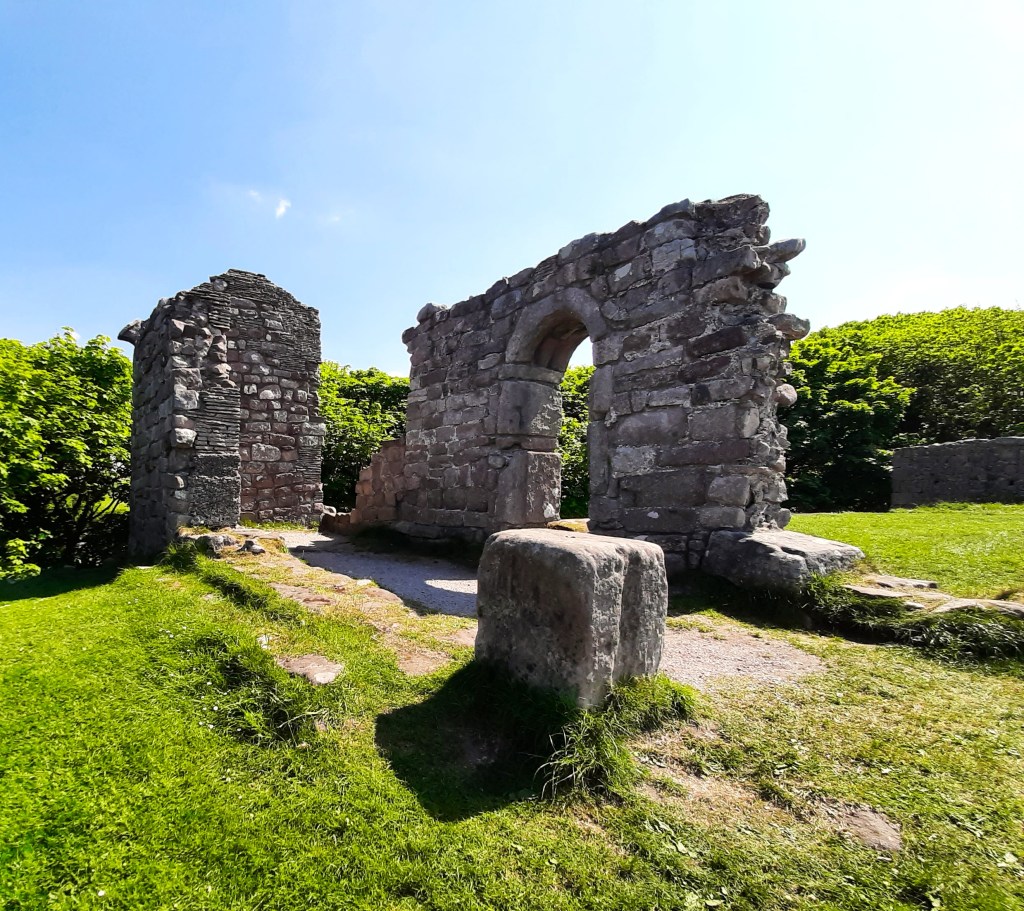
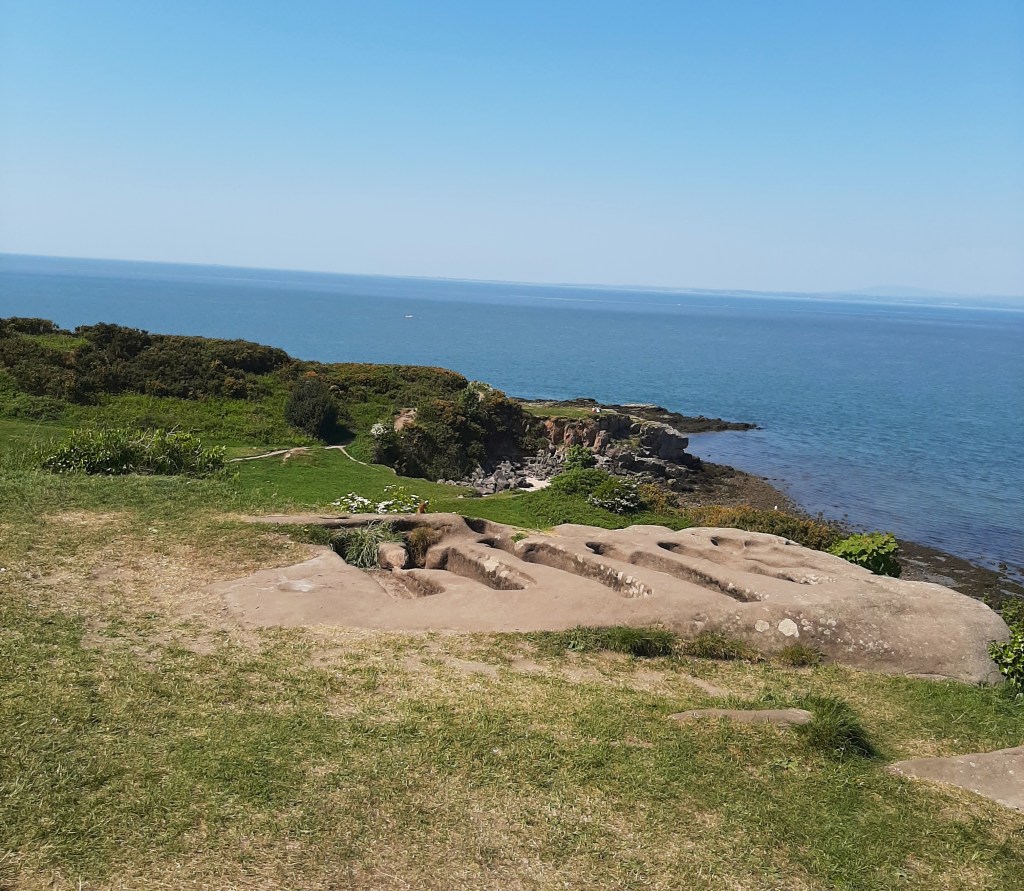
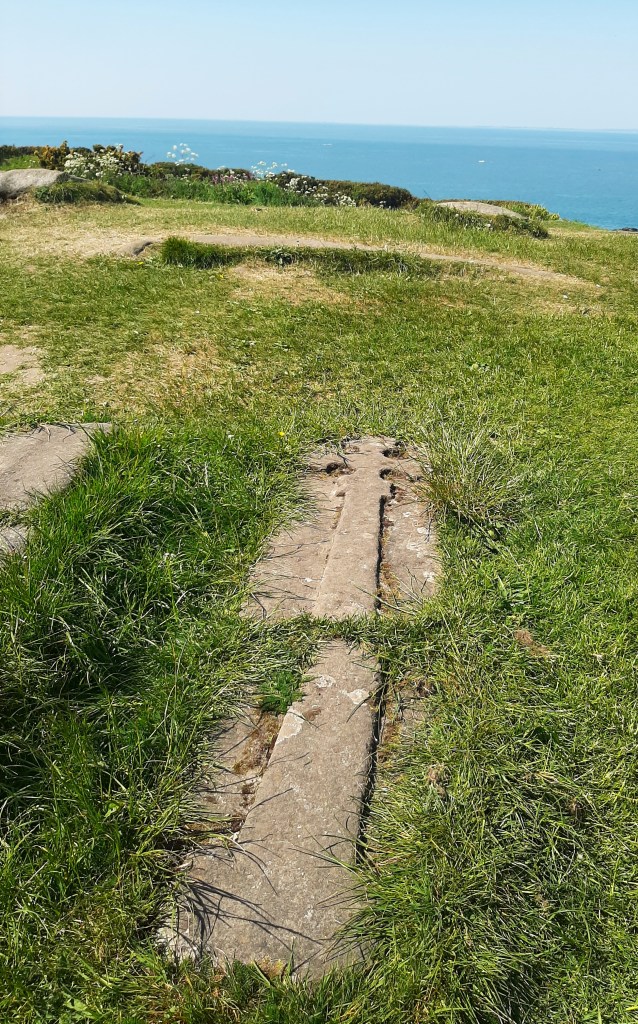
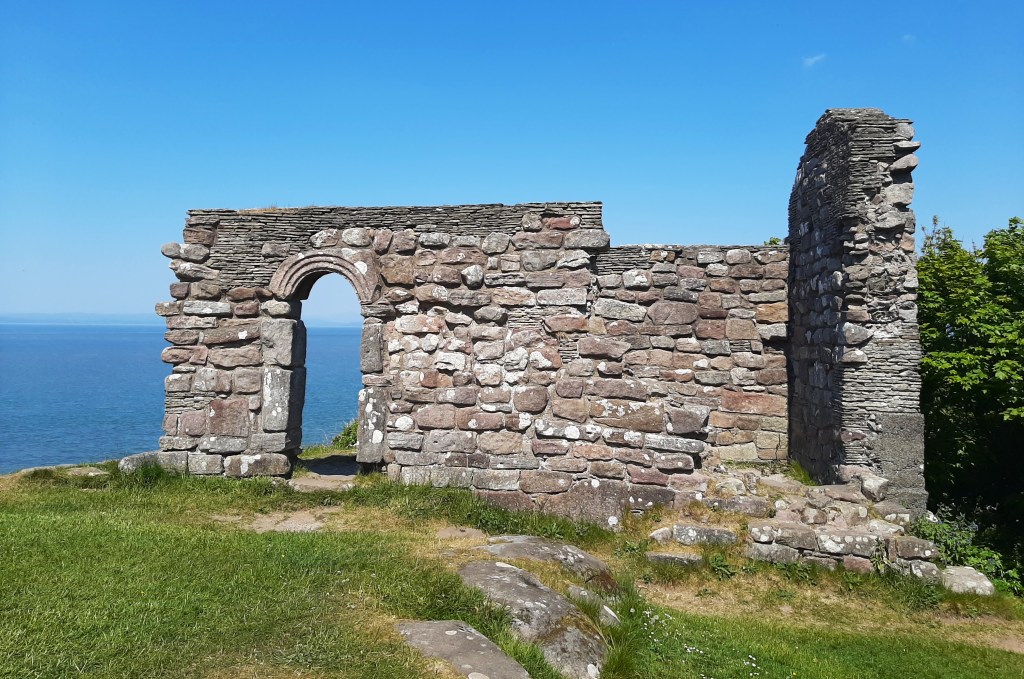
The ruin dates from the 8th or 9th century and is built of sandstone. Near the chapel is a group of six rock-cut tombs from the 11th century and a separate group of two rock-cut tombs. Each group has an associated socket probably intended for a timber cross. The buried skeletons uncovered were dated as no earlier than the 10th century. 1,200 artefacts were also recovered, which showed that the site had been occupied about 12,000 years ago (https://en.wikipedia.org/wiki/St_Patrick%27s_Chapel,_Heysham).
Archaeologists found that the cemetery was split into a large central area with two smaller sites in the east and west. Bodies were placed on their backs, in a traditional Christian east-west orientation (with their heads pointing towards the west). Some had their arms crossed, which was also an early Christian practice. A mix of women, men and children were interred. Perhaps surprisingly, ten people, two of which were children, were buried under the floor of the chapel itself. Around eighty-four individuals from the community were buried on the site during its use, with an even split between males and females. They are reburied in the church yard at St Peter’s church.
Of particular significance was the burial of a woman who was placed close to the south door of the chapel. She had been wrapped in a shroud and to the right side of her pelvis was a curved ‘hogback’-shaped bone comb of Anglo-Scandinavian design.
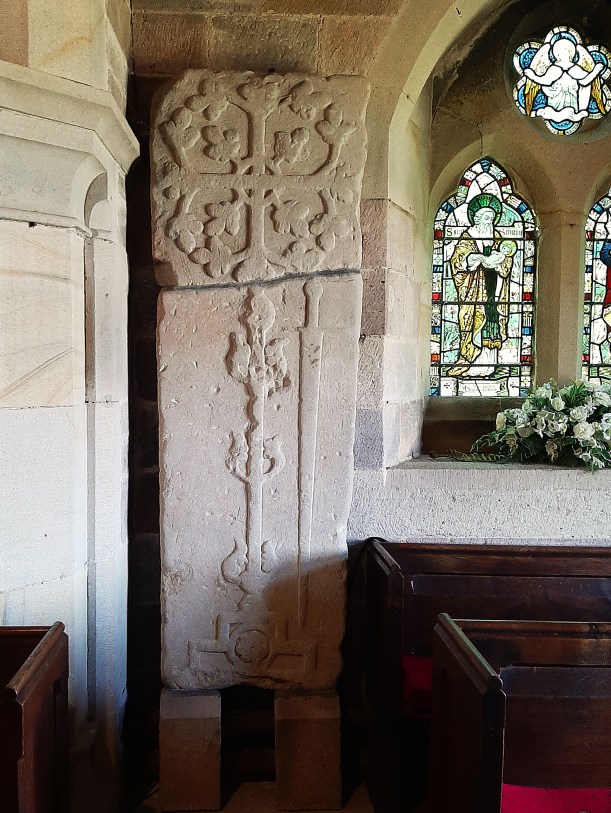
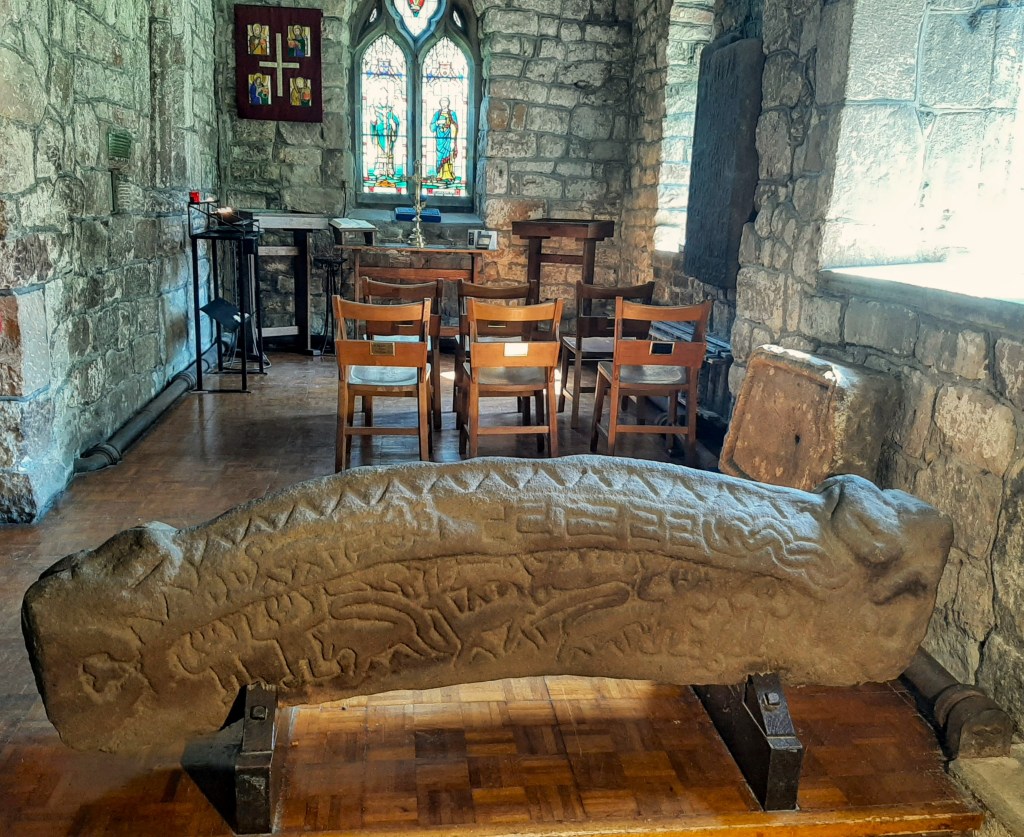
Heysham also has a Viking age hogback stone in the nearby St Peter’s Church.
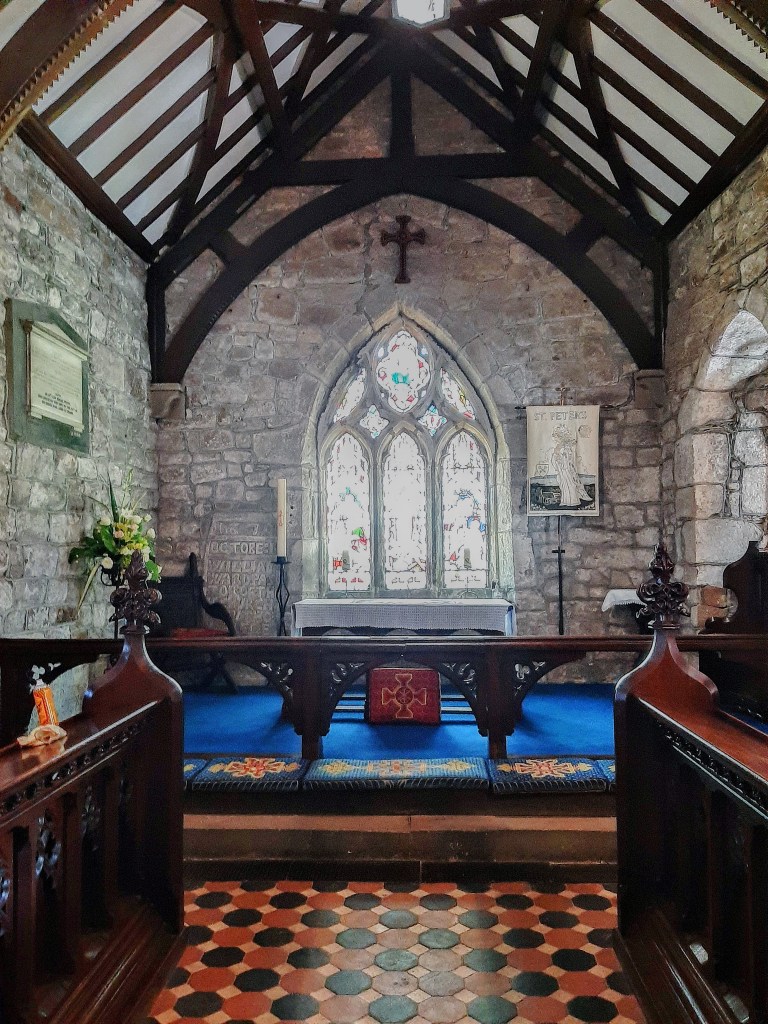
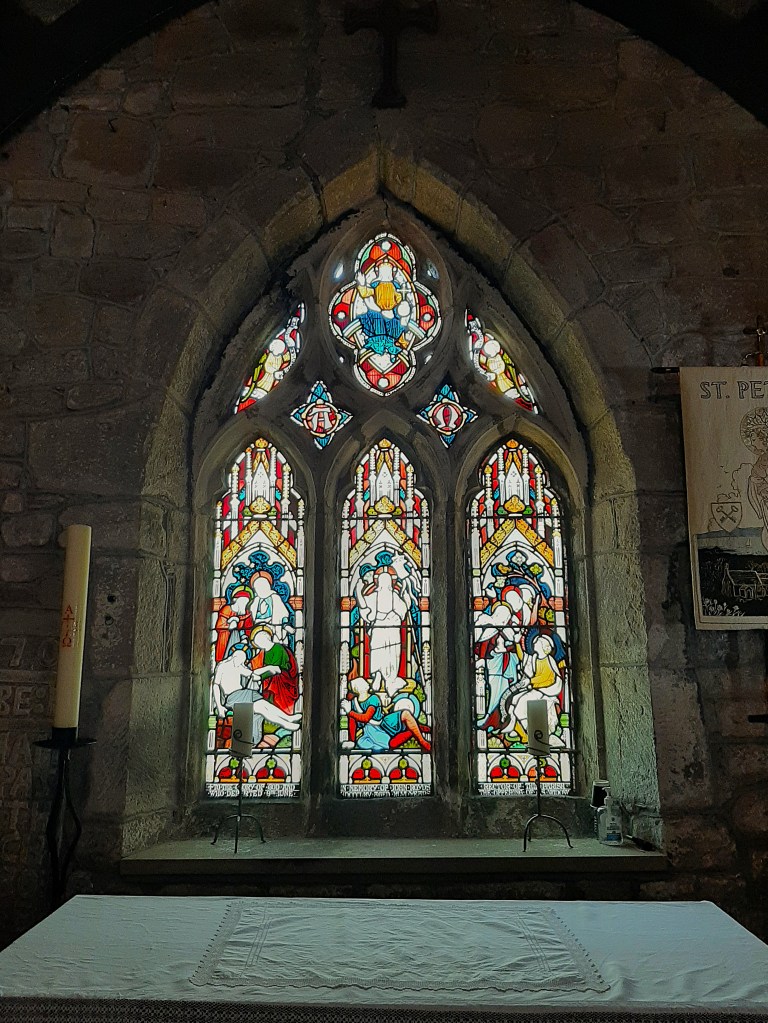
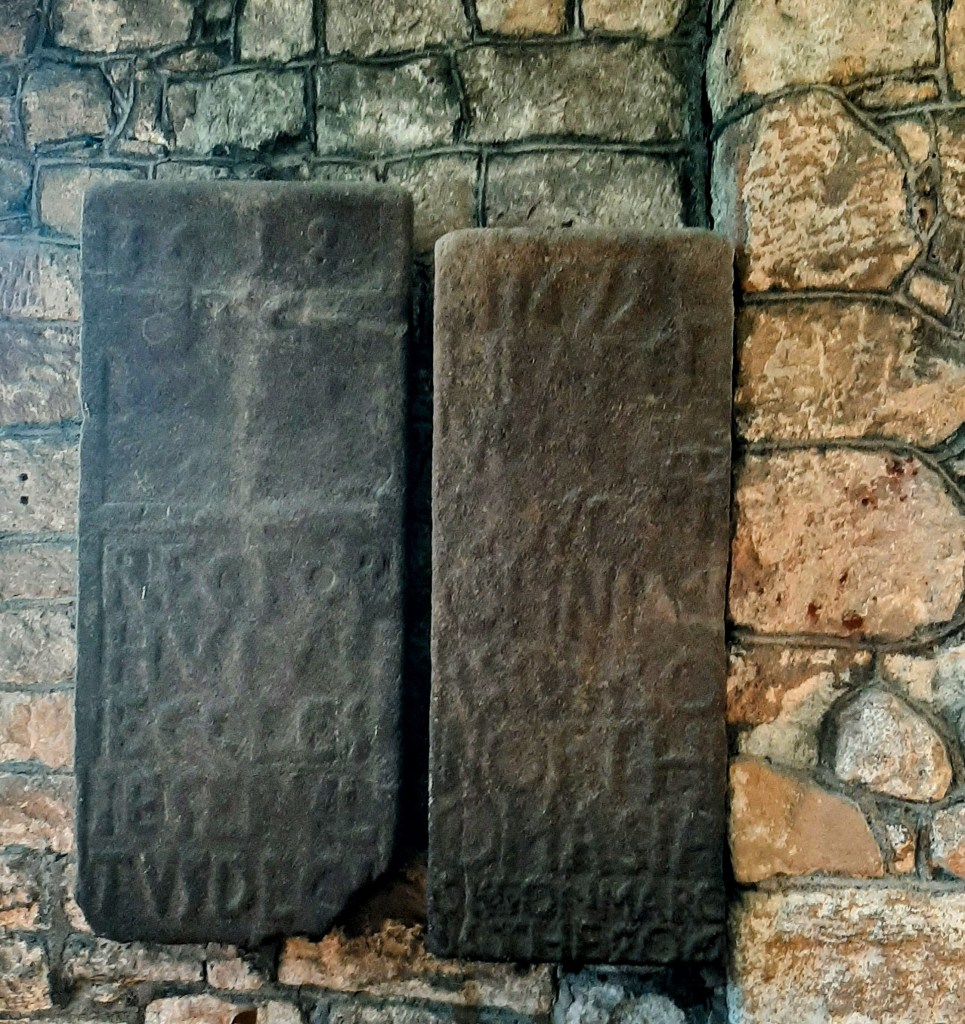
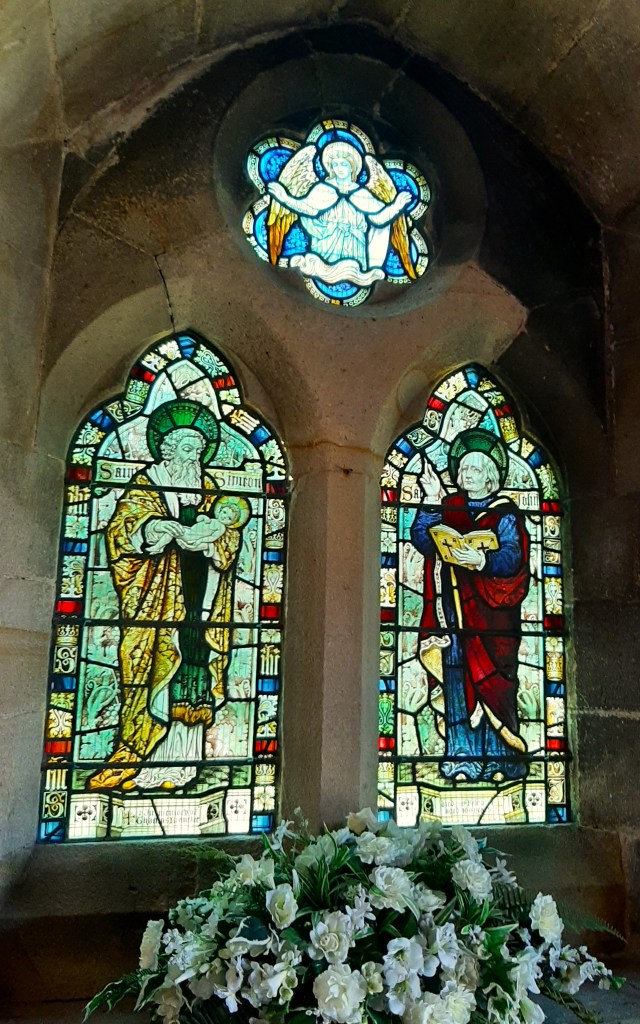
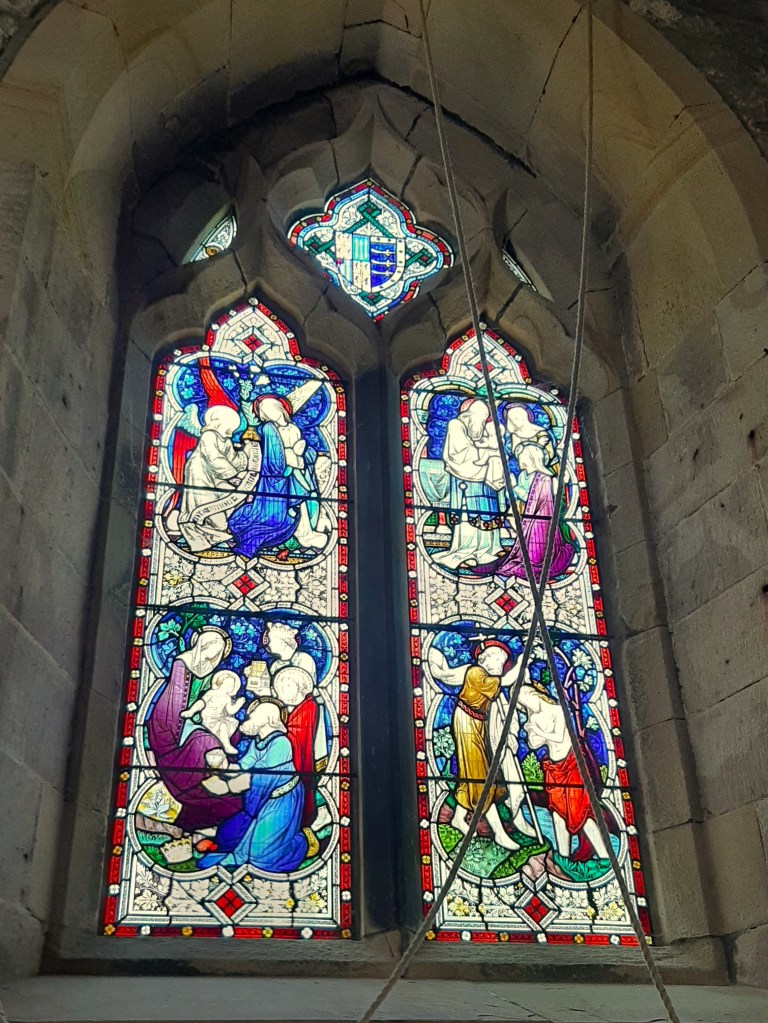
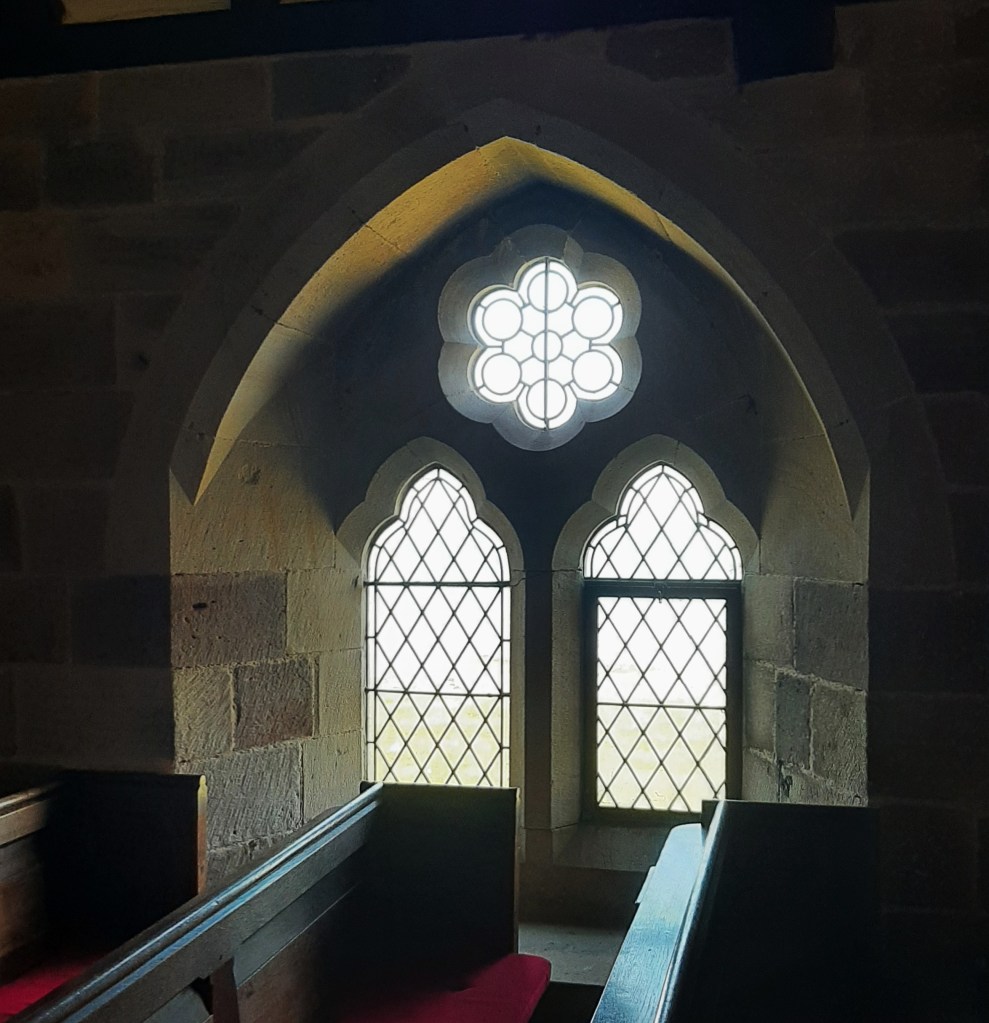
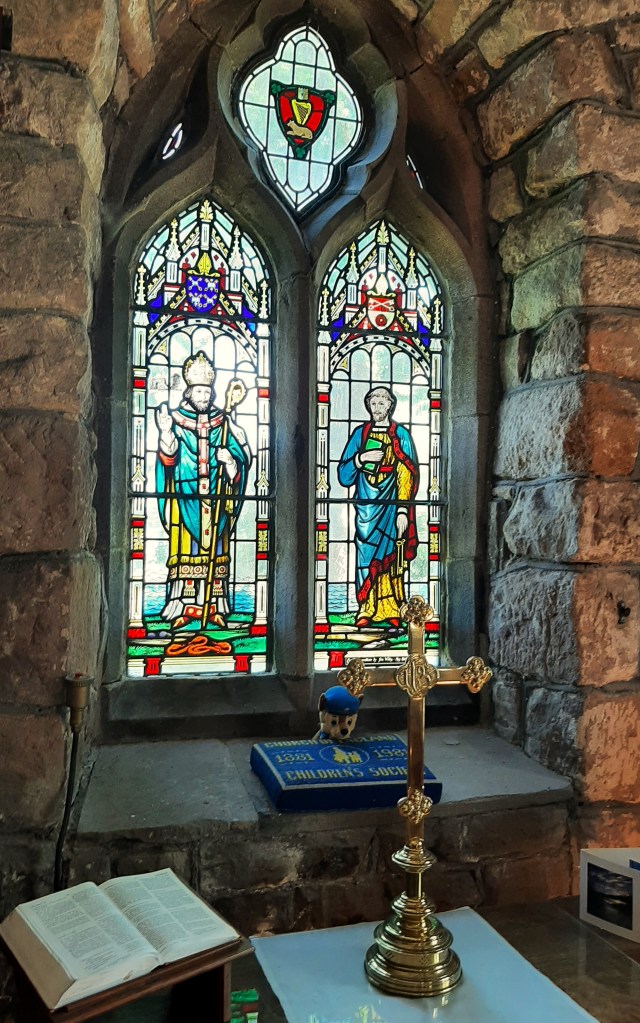
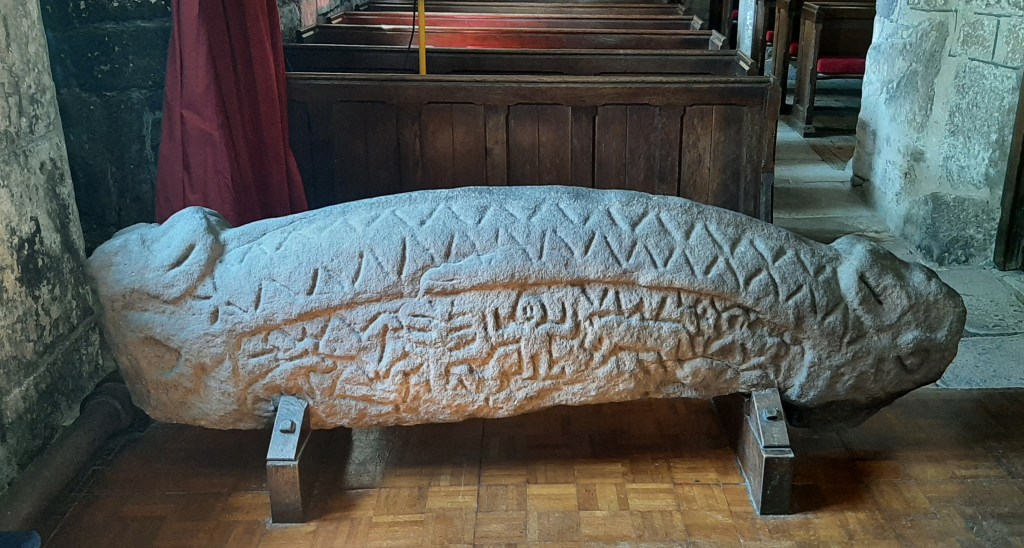
It is not known where or when St Patrick was born but, historians place him sometime in the 400s. In recent years, two places have been put forward for his place of origin, Ravenglass in Cumbria and Birdoswald near Hadrian’s Wall. After six years in Ireland, he escaped and returned to England. It’s not clear where he made landfall – local tradition holds that it was at Heysham (https://lancashirepast.com/2024/11/30/a-history-of-the-rock-cut-graves-and-st-patricks-chapel-heysham/).
All photos by Janice Turner Salmon
 Medicinalmeadows