Part 3 The mythical storytelling of the Knights in Cumbria
They arrived at the northern coastline after nightfall. Immediately beyond the shoreline, the sounds of the woodland became apparent. The forest transitioned seamlessly from sandy terrain to the firm, crisp substrate beneath the canopy of leaves.
Their walk took them towards the starlight sky. At its summit, they felt the breath of the planet, the wind caressing their path, that now coiled down the earthly side of their mission to the Pele tower of the church. As they continued to walk the winding path the stories of those who arrived at this location over the centuries moved them within their hearts. The pilgrims, and the mystics appeared to be walking with them like their times on the labyrinth. Inside the thick stone walls, there was a distinct atmosphere; the stones seemed to hold a notable presence. Accounts from elders had long referenced this location as one established by the first Christians. It has been maintained by local villagers that continue some of the oldest traditions, their traditions from New Jerusalem and before.
The moon slanted through high windows onto the ancient stone floors worn smooth by generations of footsteps. Outside, the breeze sang through the yew trees in the graveyard. The night seemed to hold its own benediction. Wrapped in their cloaks, their faces softened, free from the strain of flight and fear. Here, within walls blessed by both time and faith, they trusted the silent guardianship of the stones.
Upon awakening, Godfrei felt well-rested and appreciative of the restorative sleep and profound dream state he had experienced. The sense of guidance provided by the “Her” remained with him. He recalled a similar depth of reflection during his travels as a young man in desert caves, where his early initiations with the elders took place. The resonance of the church evoked memories of those subterranean environments, akin to the nurturing spaces revered by the keepers of the Way. The church appeared intentionally designed to mirror the qualities of those ancient, earthbound sanctuaries.
When he stepped outside, instead of encountering the glaring sunlight he remembered from the rocky enclosures of his past, he was met with a gentle morning mist and diffused light. This was “Her” language —an environment characterized by vitality, abundance, and growth. The language of Her presence, Mary of the Fields. As he gazed across the landscape, he noticed a statue, he must have brushed passed Her in the night. And just behind Her in the field beyond, the standing stone.
Godfrei surveyed this landscape, absorbing the freshness of the morning dew, and his reassured vision of the path ahead. He recognized a growing awareness, welcoming him as he approached the final stage of his journey. His calling to reach the Monastery was strong, his bones ached for the restorative enclosure of the Abbey, but his spirit was already there. It felt like his heart was flowing psalms into his veins, chanting rhythmically with every breath.

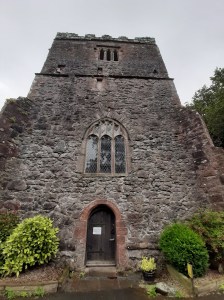
This is the St.Mary and Michael church at Little Urswick UK, her previous name was St. Mary in the Fields. This church has history dating to the 10th century. A patronage of the Savigny and Cistercian orders, with a Stone Cross with Viking runic markings, the Tunwini cross. The tower has a sandstone Mater Dolorosa carving from Furness Abbey after the dissolution. And yew trees at the gates. The history emanates the rich spirit of land, place and space. For more information look at the Historical fragments at the Church.
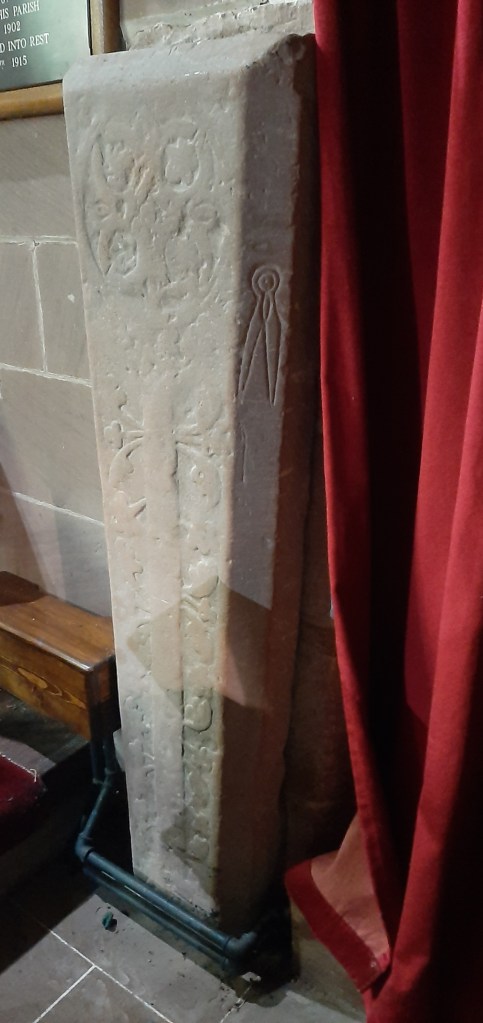
Here, in the Church we find another Graveslab, a thirteenth century ‘Le Franceys’ grave slab which currently stands next to the ‘priest’s door’ in the chancel of Urswick
church. The slab is flat and tapered from head to foot with ‘floriated cross elaborately
carved in relief, and inscribed along the chamfered edge, in Longobardic characters + HIC :
JACET : AMICIA : FILIA : JOHANNIS : FRANCESSI, John Le Frances, named as witness to Roger de Lancaster in Ulverston in 1284 . HIC AMICIA engraved into the slab indicated a statement like Here lies a dear friend.
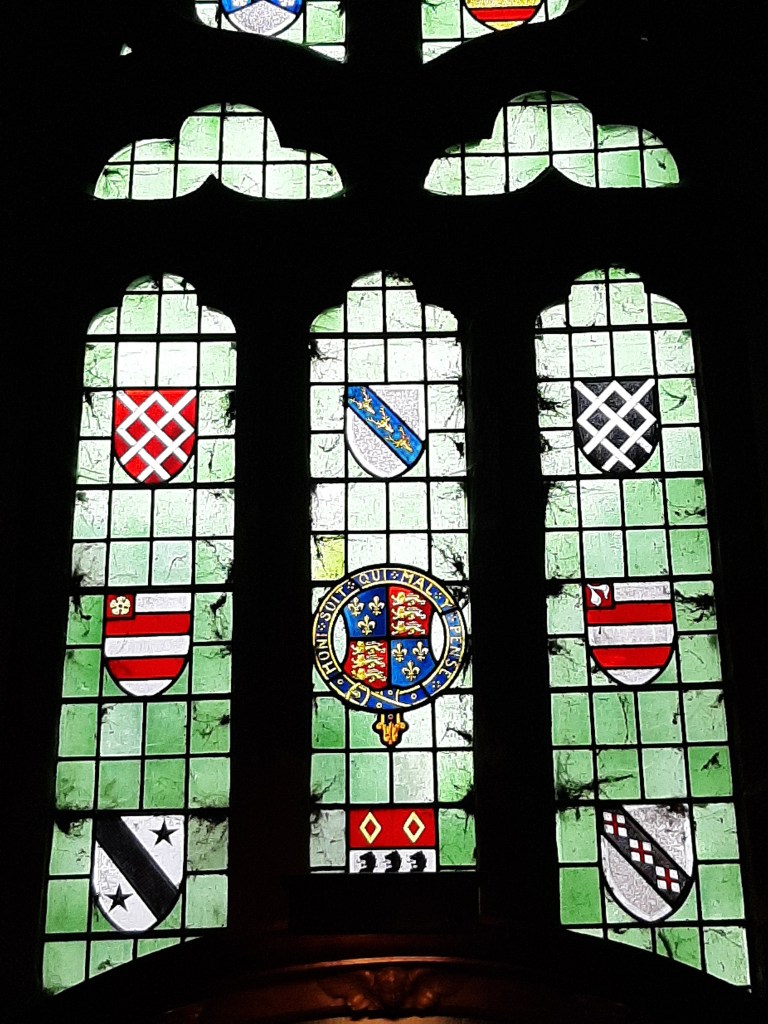
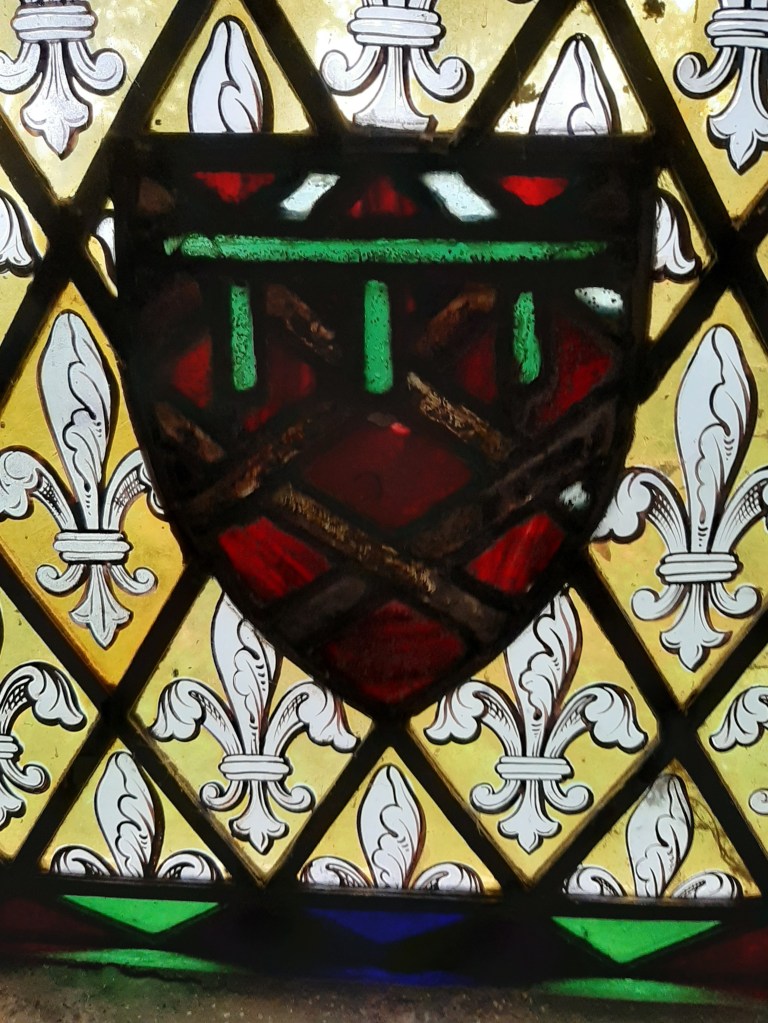
The stained glass windows above the altar had the most wonderful display of heraldic shields. The surroundings windows throughout the church had fabulous symbology to go and decipher for your pleasure.
This little Church is full of history and legends of Celtic Cumbria in Furness and the Tunwini Cross.
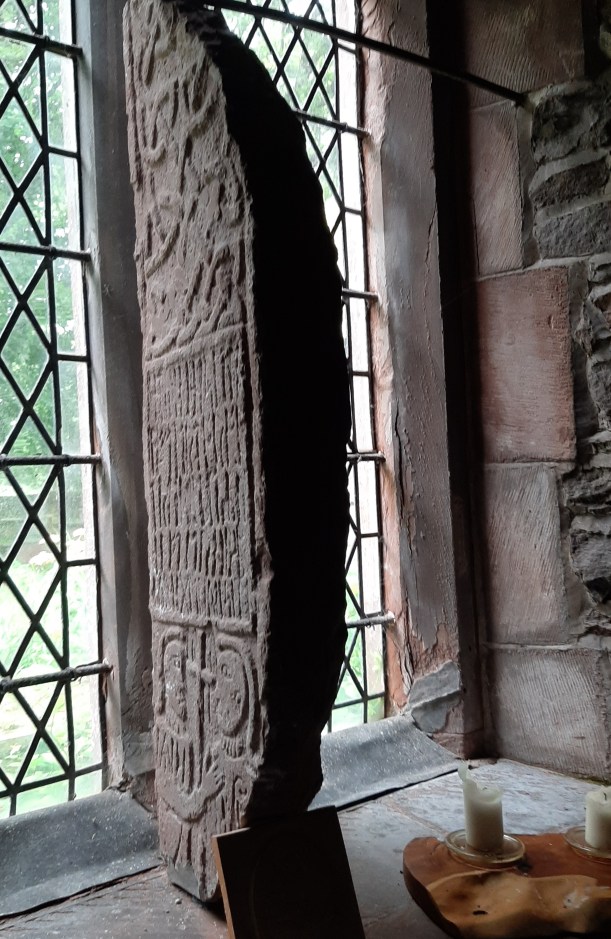


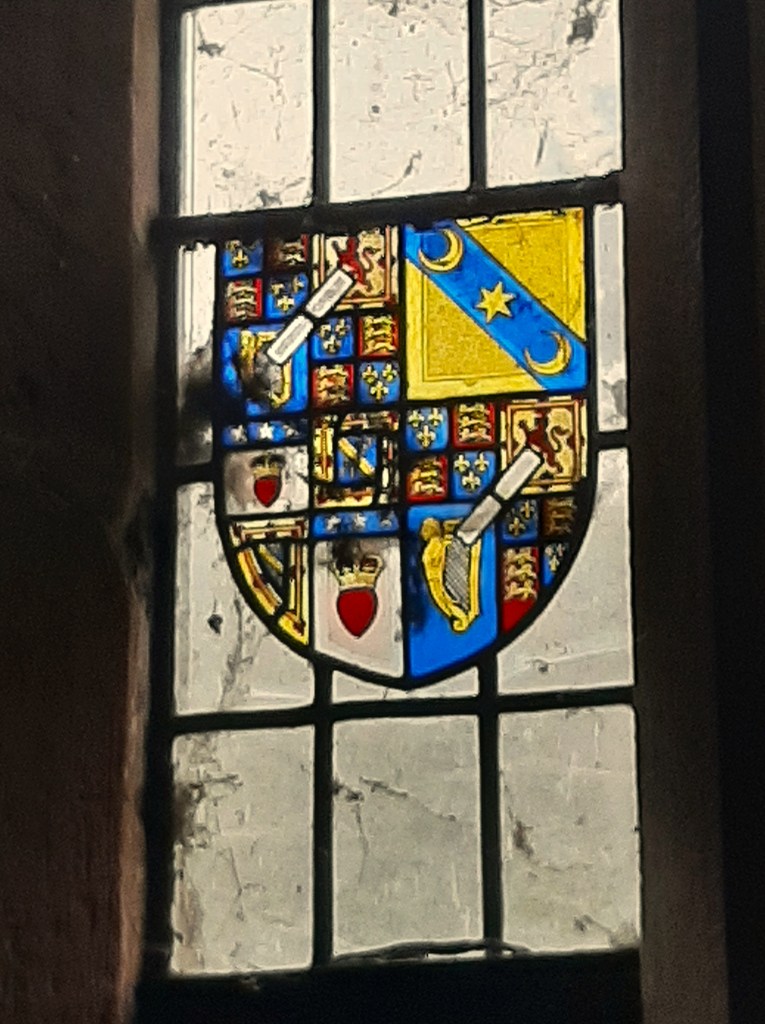

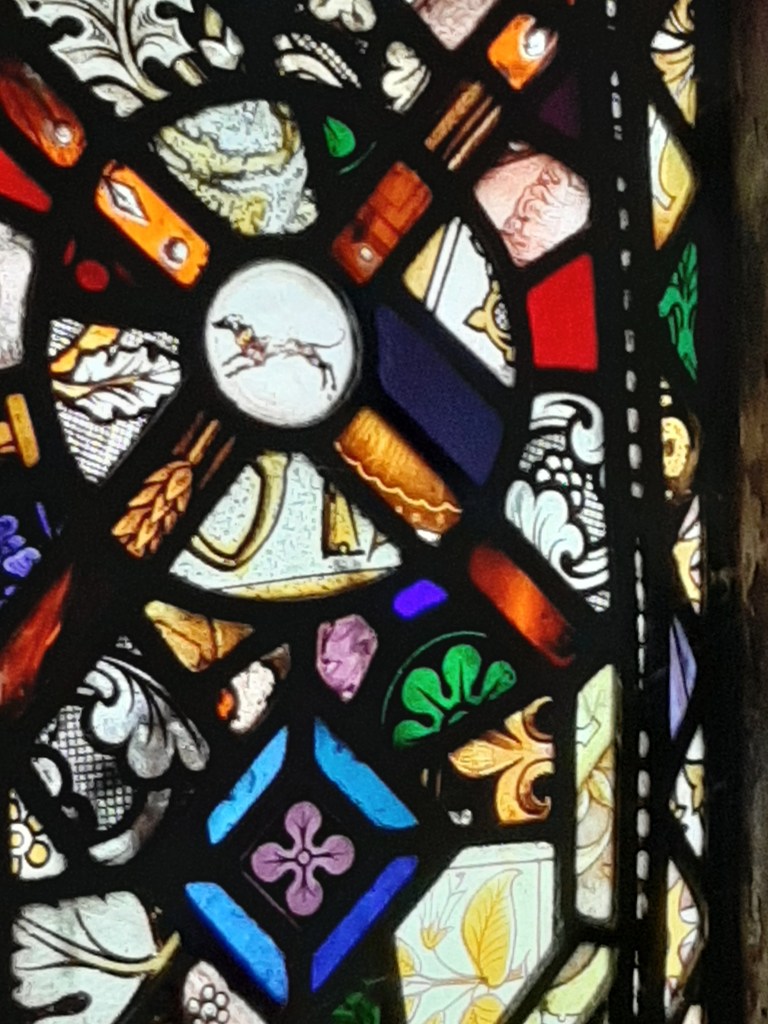



There are many delightful stories and history named in Ossik Coots and Collared Doves. Check by Reverend Colin R Honour. M.Ed.


 Medicinalmeadows